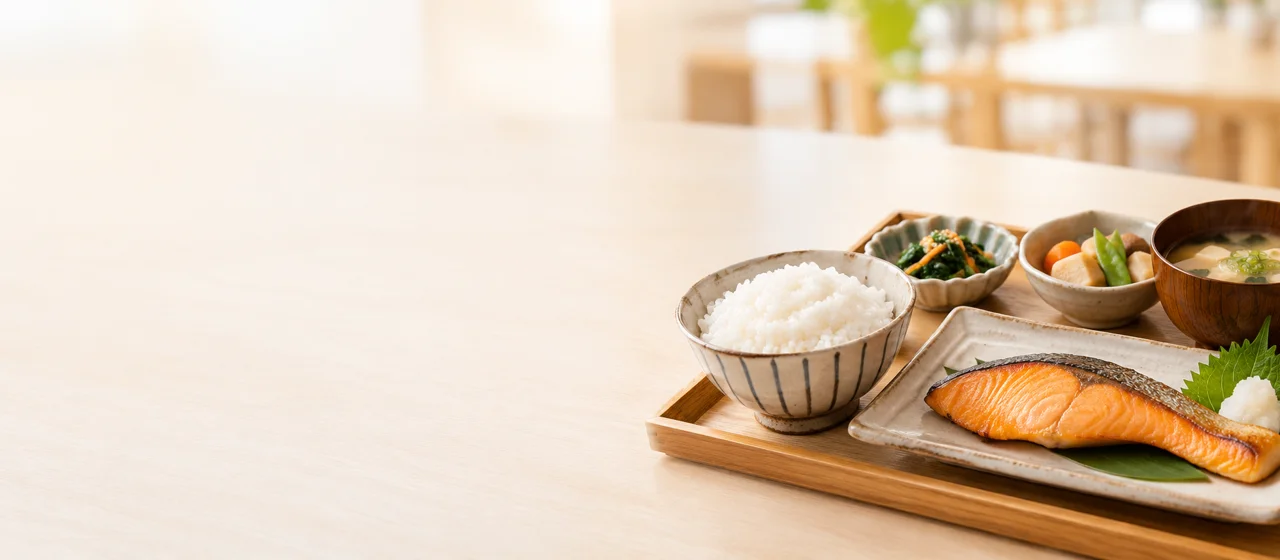






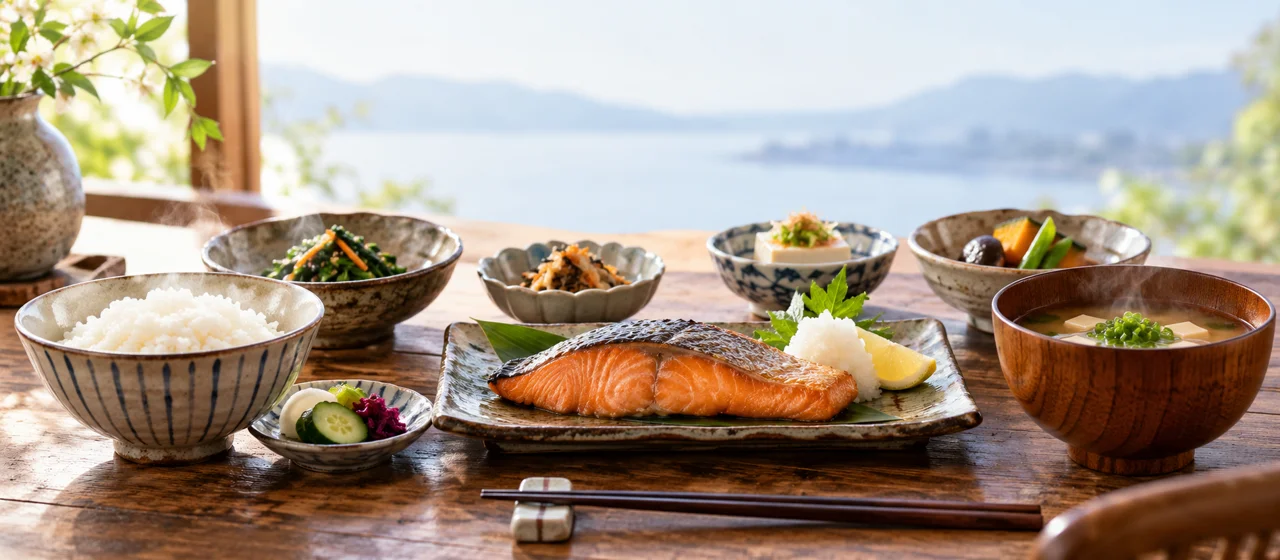
Japanese meals on a wooden table

Discover a delicious side of Japan

Enjoy Japanese food

From everyday meals to local specialties,
find flavors you can enjoy
at your own pace.

✿ What you will learn ✿

Explore set meals, noodles and local food.
Learn how to choose from a menu,
explain dietary needs and enjoy
regional and seasonal flavors.

✿ Key points ✿

Japanese meals on a wooden table

✿ Contents ✿

  1. 1. Try a set meal 〉
  2. 2. Explore noodles 〉
  3. 3. Find a local food stop 〉
  4. 4. Choose from the menu 〉
  5. 5. Explain dietary needs 〉
  6. 6. Taste the seasons 〉

✿ Frequently asked questions ✿

Q Do I have to eat raw fish? +

No. Grilled fish, cooked dishes, noodles and many other choices are available. Choose food that suits your preferences and check ingredients when needed.

Q Are vegetable dishes always vegetarian? +

No. Broths, sauces or toppings may contain fish or meat. Explain exactly what you avoid and ask the restaurant to check before ordering.

Q How can I explain a food allergy? +

Show a clear written Japanese explanation and discuss ingredients and shared cooking equipment before ordering. The Consumer Affairs Agency offers a Food Allergy Communication Sheet; it helps communication but does not guarantee a safe meal.

1Try a set meal

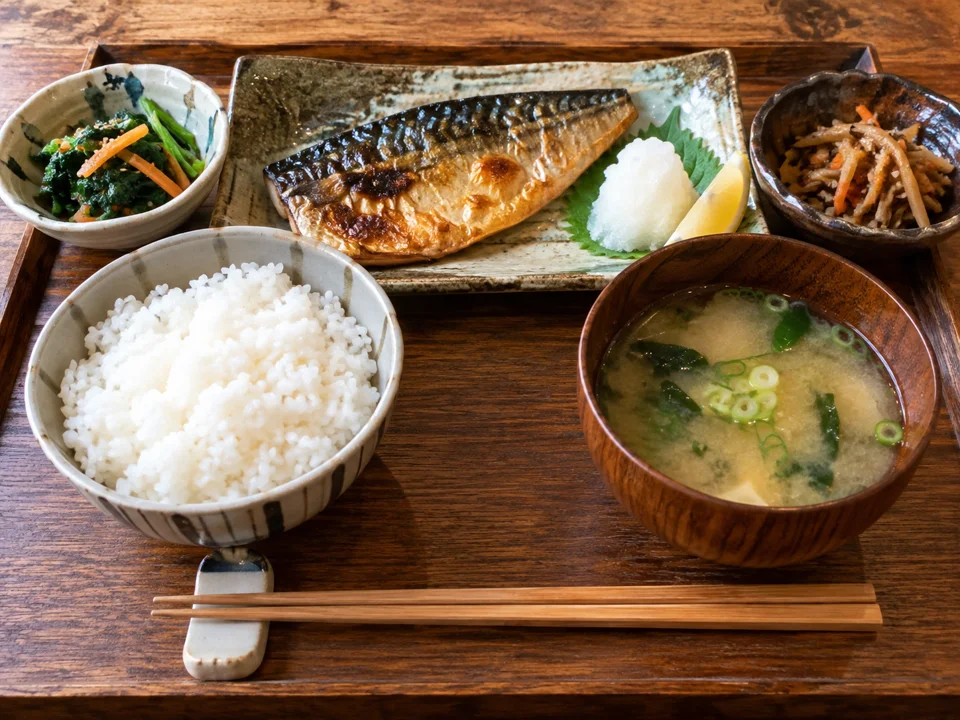
A Japanese set meal with rice and soup

A teishoku brings rice, soup, a main dish and small sides together. It is an easy way to discover several flavors in one meal. Check the menu to see what is included.

You do not need to eat the dishes in a special order. Enjoy them at your own pace; asking about an unfamiliar side dish can help you discover a new favorite.

Remember this!
  • Choose a set meal that interests you.
  • Check which dishes and portions the restaurant includes.
2Explore noodles

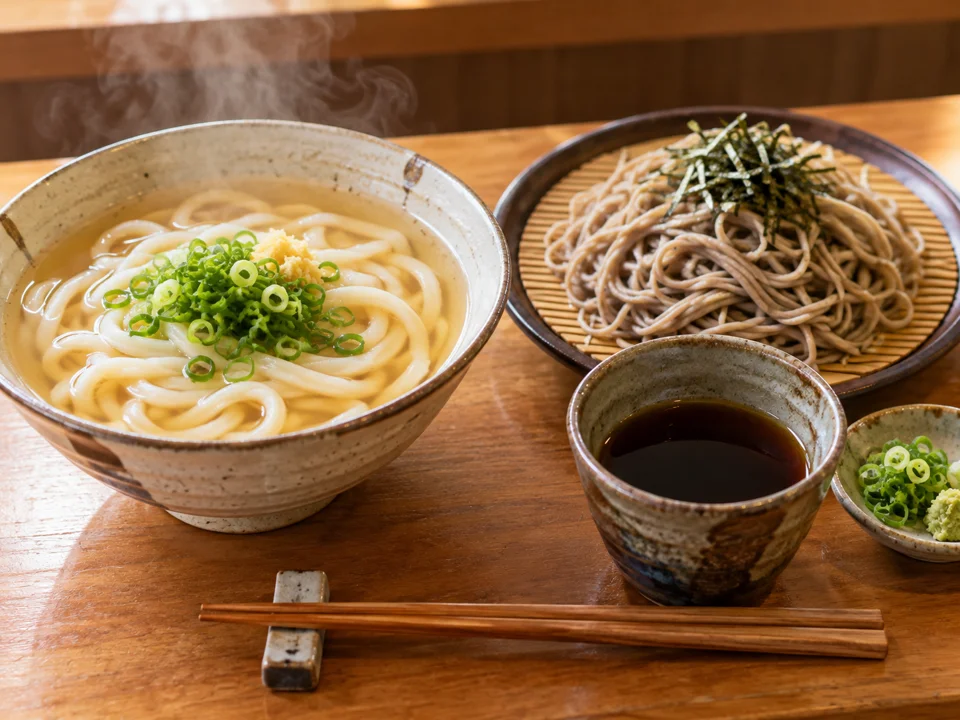
Udon and soba noodles

Udon has thick wheat noodles; soba uses buckwheat and often wheat too. Ramen has many broth styles. Hot and cold versions offer different ways to enjoy noodles.

Slurping is common with ramen, udon and soba, but it is optional. Eat in the way that is comfortable for you, and feel free to leave some ramen broth. You can ask for a fork, though some shops may not have one.

Remember this!
  • Choose noodles and a serving temperature you like.
  • Check broth and toppings before ordering when needed.

3Find a local food stop

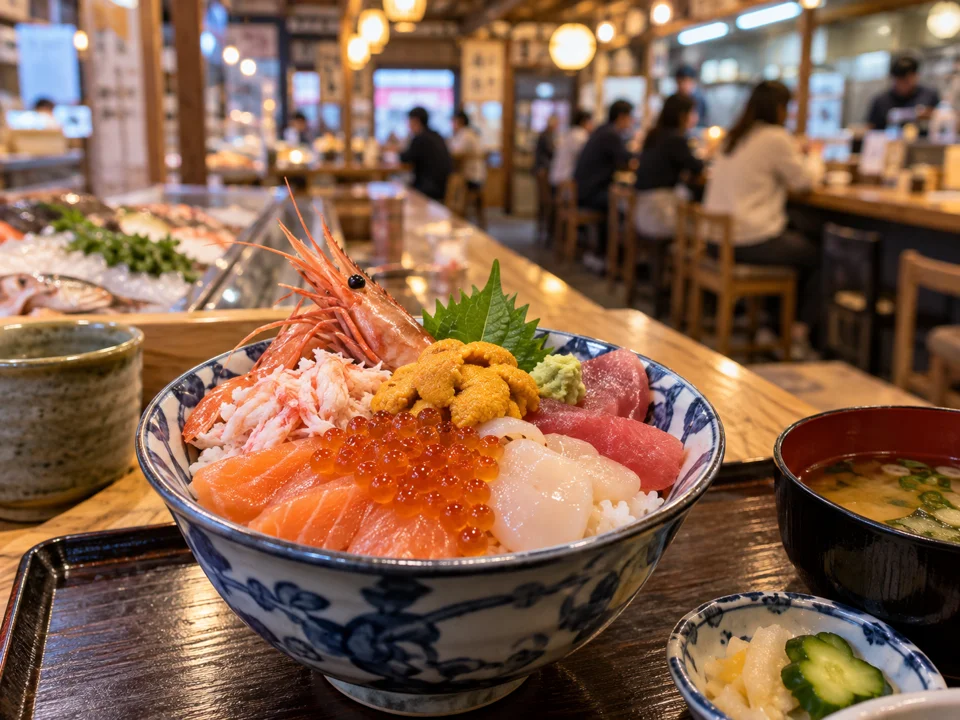
A rice bowl at a market dining counter

A market dining area or neighborhood diner can be a good place to try local food. Check hours, seating and prices. Some markets restrict eating while walking and provide eating areas; follow the local signs rather than assuming every street has the same rule.

In a crowded market, stopping in an eating area helps prevent spills onto other people or goods. Outdoor snacks are also part of festivals and picnics, so the setting matters. Ask the seller where to eat if it is unclear.

Remember this!
  • Use eating areas and follow the shop or market’s guidance.
  • Ask where you can sit and whether takeaway is available.

4Choose from the menu

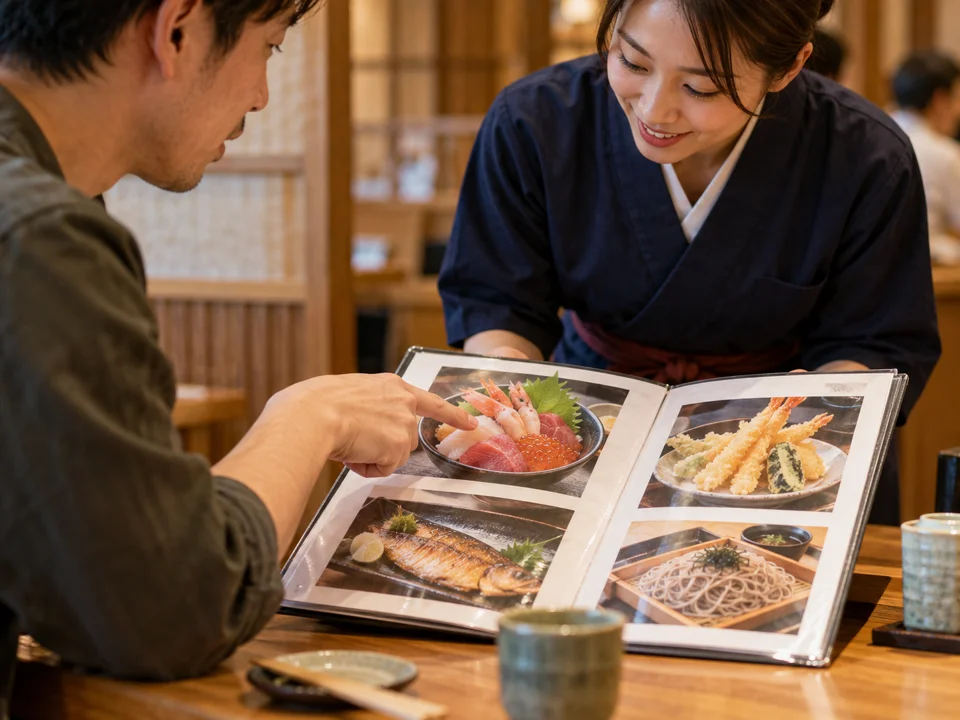
Choosing a dish from menu photographs

Photos and display models can help you choose. Point to a dish and ask what it contains or what comes with it. Check the portion size, price and any extra charges before ordering.

A brief question gives staff a chance to explain the dish. It is fine to take a moment to choose. If you need longer at a busy ticket machine or counter, step aside to read the menu and let others order first.

Remember this!
  • Ask for a recommendation when unsure.
  • Check whether rice, soup and a drink are included.

5Explain dietary needs

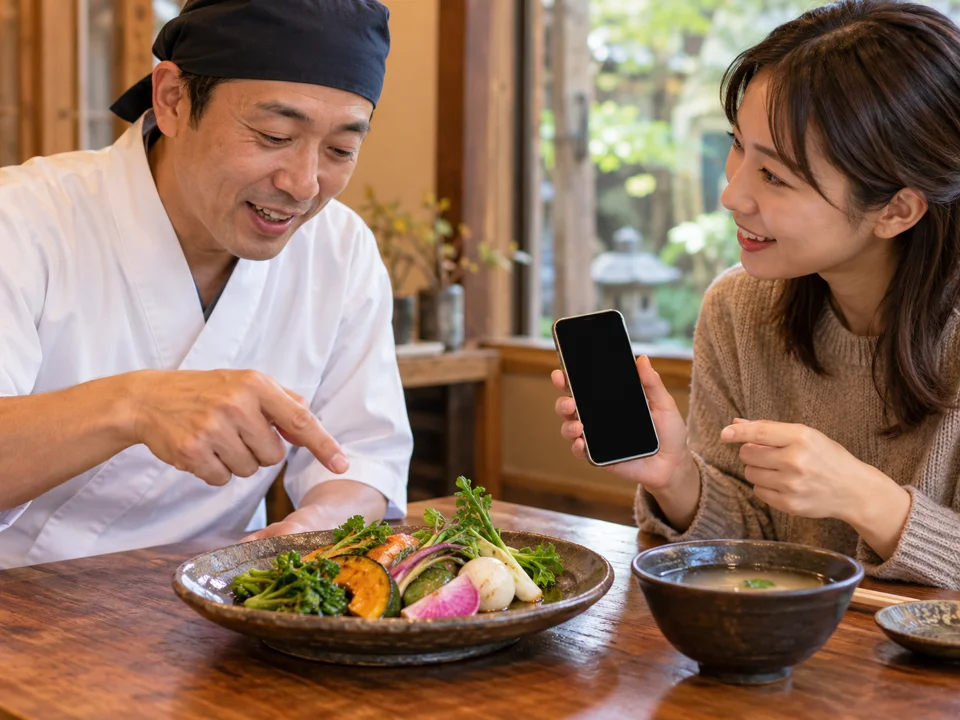
Discussing ingredients with restaurant staff

Before ordering, clearly explain allergies or foods you avoid. Vegetable dishes may use fish-based dashi, meat stock or other seasonings. Ask about ingredients and shared cooking equipment.

A written Japanese explanation helps staff check the kitchen. Removing a topping does not guarantee safety, and an allergy sheet supports communication rather than guaranteeing a safe meal.

Remember this!
  • Explain dietary needs instead of judging ingredients by appearance.
  • Choose another option if the restaurant cannot confirm suitability.

6Taste the seasons

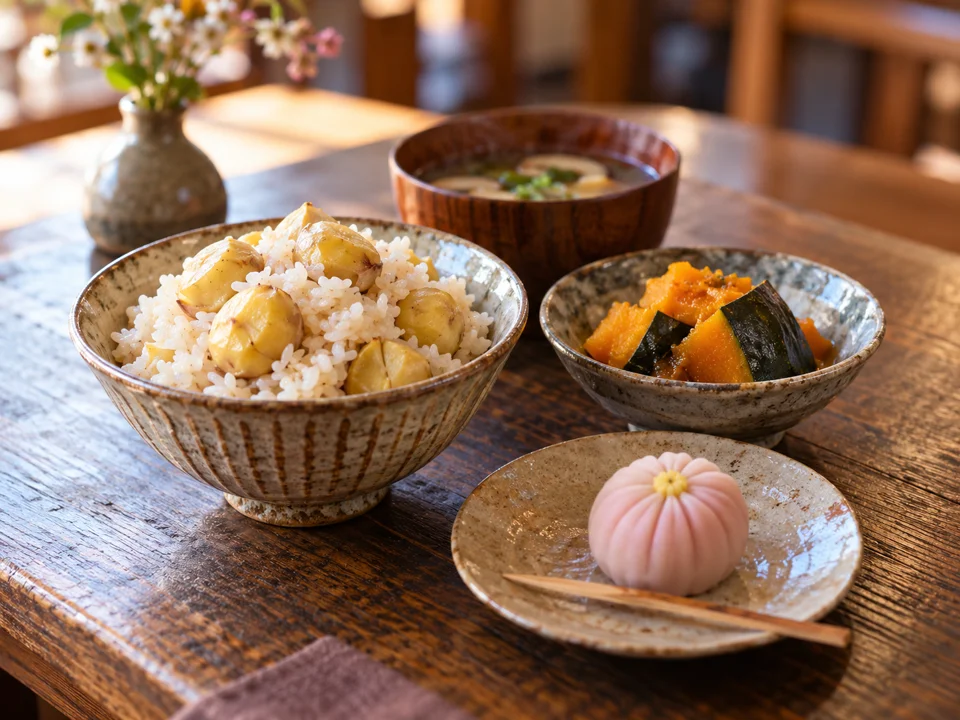
Seasonal Japanese dishes and a sweet

Local dishes and seasonal ingredients can make meals part of your trip. Look for regional specialties, seasonal menus or a small Japanese sweet. Availability changes by place and season.

Ordering a manageable portion helps reduce waste, but you do not need to force yourself to finish food that is too much or unsuitable. Ask whether a smaller serving is possible before ordering. If you enjoyed the meal, “oishikatta desu” means “that was delicious.”

Remember this!
  • Try a local or seasonal dish that interests you.
  • Choose an amount you can comfortably enjoy.

✿ Summary ✿

Start with a meal that interests you, ask about unfamiliar dishes and enjoy local or seasonal flavors at your own pace. Explain dietary needs before ordering and check ingredients with the restaurant. A small discovery and a thank-you can make a meal a memorable part of your trip.

Japanese meals on a wooden table