Soy-sauce seasoning
Shoyu
Start here if soy-sauce flavour appeals to you. A clear broth may still contain animal or seafood stock.
Before choosing: Check the stock ingredients and richness

RAMEN · FIND YOUR BOWL
Start with flavour and ingredients, then work through the menu. Here is a practical path from choosing a bowl to enjoying your first order.
Shoyu, shio and miso mainly name the seasoning; tonkotsu describes pork-bone stock. They can overlap, as in tonkotsu shoyu. Richness, heat and ingredients vary by shop.
What provides the seasoning?
What is the stock made from?
One possible combination
A SeasoningShoyu+B StockPork bones→Tonkotsu shoyu
These are examples; stocks may blend ingredients. A shop may not offer every combination. Check flavoured oil, noodles and toppings separately too.
Source: JNTO, how to enjoy ramen ↗Soy-sauce seasoning
Start here if soy-sauce flavour appeals to you. A clear broth may still contain animal or seafood stock.
Before choosing: Check the stock ingredients and richness
Salt seasoning
A bowl built around salt seasoning. The name alone does not mean a mild flavour or low sodium.
Before choosing: Do not infer lightness from a photo alone
Miso seasoning
Choose it for miso flavour. Check the menu for variations and additions such as spice, butter or corn.
Before choosing: Check what the basic bowl includes
Pork-bone stock
Soup made with pork bones, distinct from tonkatsu, the pork cutlet. It can be combined with seasonings such as shoyu.
Before choosing: If avoiding pork, verify alternative stocks too
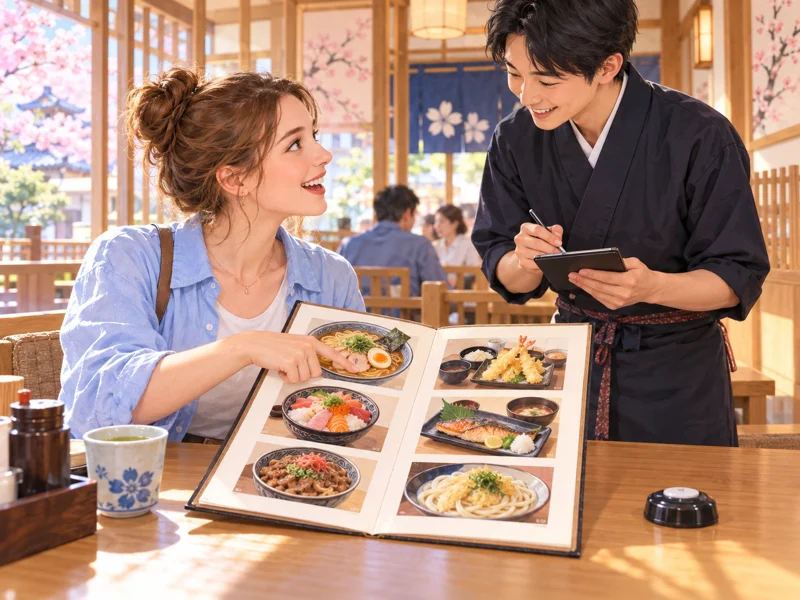
If unsure, ask staff before buying. Follow the shop’s instructions about when to buy a ticket or whether to order at the table.
Check the queue, ticket and seating order
Check size, extras and accepted payment
If paying cash, collect any change too
Follow the shop’s seating and order instructions
Check the queue and instructions. Some shops ask you to buy a ticket before joining the line; follow the sign or staff.
Check how to order. At a ticket machine, confirm accepted payment methods before buying. Other shops take your order at the table.
Choose a base bowl and size. Check what is included and the extra cost of larger portions, egg or chashu before adding them.
Hand over the ticket if you have one. If asked about noodle firmness and unsure, ask for the standard option. Customization depends on the shop.
Mind the heat and eat at your own pace. Slurping is acceptable but optional; you do not need to finish all the broth.
The ordering flow and decision checks are editorial suggestions. Follow the restaurant’s instructions, menu and terms.
If unsure, ask for the standard option: “Futsū de onegaishimasu.” Customization varies by shop, so starting with the standard bowl is fine.
Shoyu describes soy-sauce seasoning, while tonkotsu describes pork-bone stock. They can be combined in one bowl, so check the seasoning and stock separately.
Kaedama is not offered everywhere. Before ordering, check the noodle portion, toppings and charges for a larger size or extras, then choose the amount you want.
You do not need to rush your meal. Once finished, avoid lingering at a busy shop so the next guest can sit down. Follow any tray-return instructions.
It depends on the shop, portion, toppings and set. Check the current tax-inclusive total and any extras on the menu; this guide does not supply an unverified price estimate.
Dish descriptions draw on JNTO guidance; safety and allergy advice draws on public authorities. Restaurant arrangements and prices are not guaranteed.