My Page

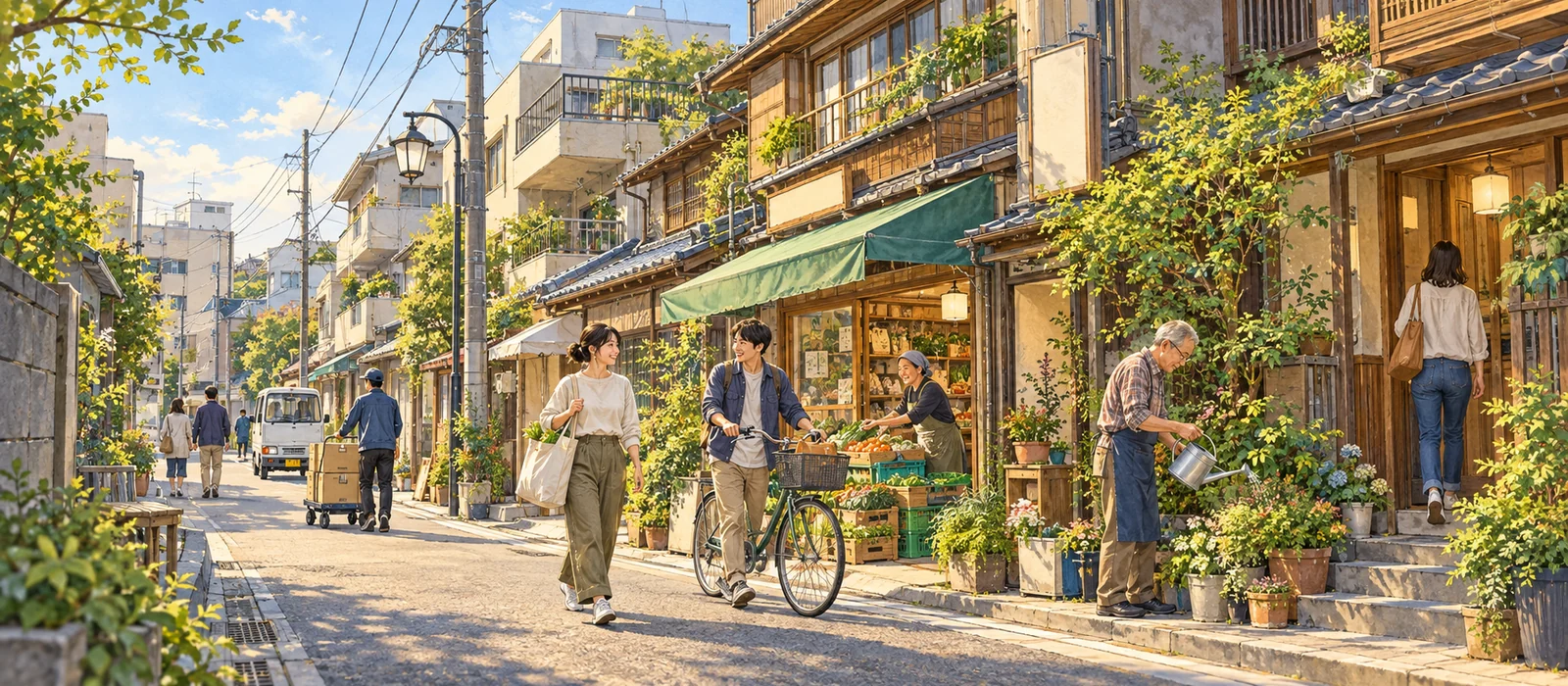
Understanding Japan and its people — an illustrative scene

Start here

Understanding Japan and its people

There is more than one story of Japan.
Noticing differences makes exploring more interesting.

✿ What you will learn ✿

A country or its people cannot be summed up in a single description.
Regions, ways of living and individual differences offer useful perspectives on what you encounter.

Understanding Japan and its people — an illustrative scene

✿ Frequently asked questions ✿

Q Is everyone in Japan polite in the same way? +

People differ in their views and behaviour. Do not assume someone’s personality or response from their nationality; pay attention to the person and situation.

Q Should I focus only on traditional culture? +

Traditions are one part of the picture. Contemporary food, shopping, work and entertainment are also parts of everyday life. Begin with your interests and explore from there.

Q Do customs change between regions? +

They can vary by region, venue and situation. Use guides as a starting point and check signs and local instructions.

1Different regions, different experiences

An illustrative seaside and accommodation scene in Okinawa

Climate, landscapes and food culture differ between Hokkaido and Okinawa and many places in between. A large city, coastal town and mountain area can involve different transport options and ways to spend a day.

A visit to Tokyo or Kyoto does not need to stand for the whole country. Noticing how the next place differs is part of exploring.

Remember this!
  • Learn about the particular region you will visit.
  • Look for differences in climate, transport and food.
Explore a little further

When comparing regions, consider travel time, season and length of stay alongside the things you want to see. Convenience and quietness depend on the specific place and time.

Official references checked 2 October 2026
2History alongside contemporary life

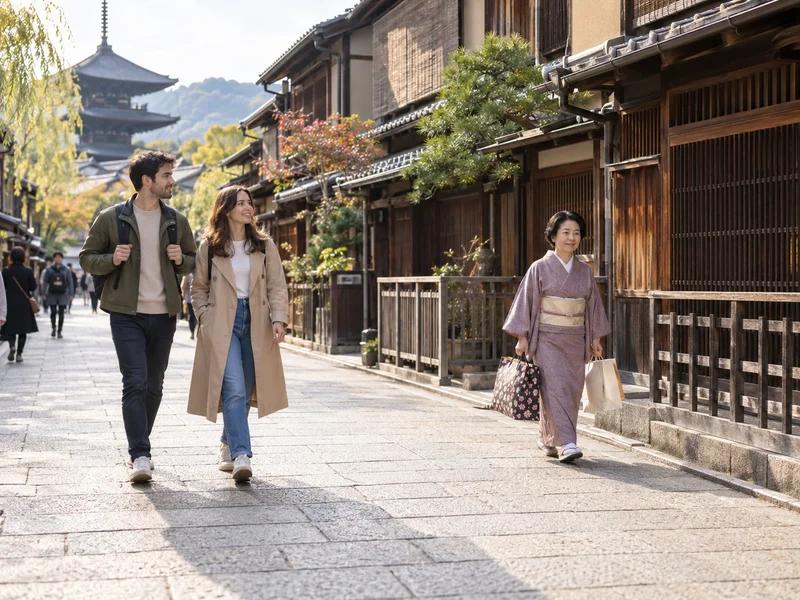
People in contemporary clothes walking through an older streetscape

An older building may sit near a new shop. Some people sustain traditions and others create new forms of expression. Neither traditional culture nor urban modernity alone describes the full range of life in Japan.

You need not assume that older things are more authentic or newer ones less Japanese. Notice how a place or practice is used today.

Remember this!
  • Notice both the history and the present use.
  • Follow one interest into its background.
Explore a little further

Combine different perspectives, such as shrines and temples, crafts, food and contemporary neighbourhoods. Remember that a religious site can be a place of worship as well as a visitor attraction.

Official references checked 2 October 2026
3People live where you visit

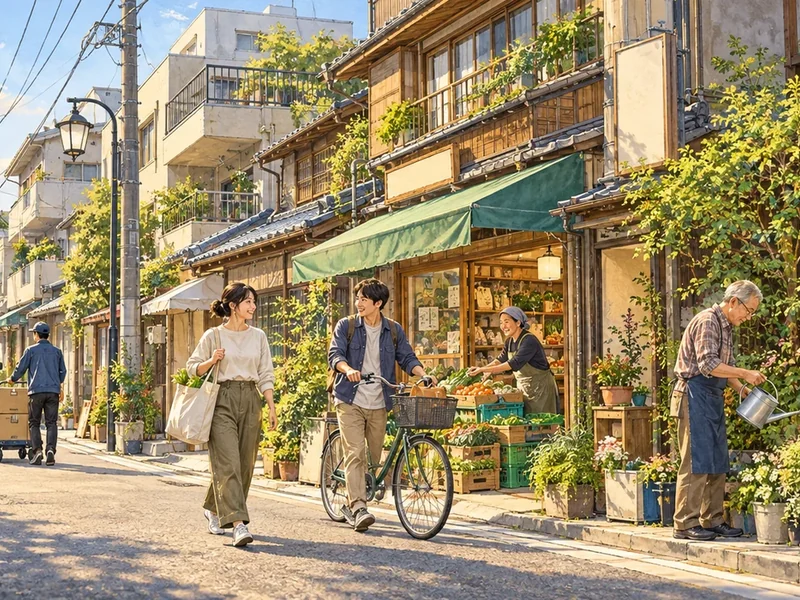
Everyday life on a Japanese street with a variety of people

Popular destinations are also places where people go to school, commute and shop. When exploring shopping streets or areas near homes, remember the daily routines behind the scenery.

Keeping paths clear, respecting restricted areas and lowering your voice near homes at night can make a shared place more comfortable.

Remember this!
  • Explore with everyday life in mind.
  • Notice where you stop and how loudly you speak.
Explore a little further

When taking photographs, consider whether you are including someone’s face or the inside of a home. An attractive open gate or lane is not necessarily open to visitors.

Official references checked 2 October 2026
4Meet individuals, not a stereotype

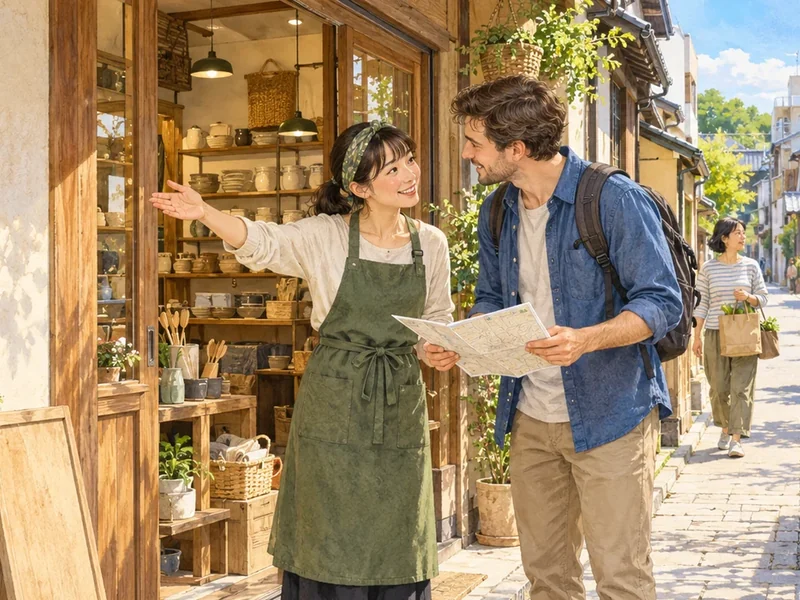
A traveller and shop worker having an everyday conversation

People’s views differ with their surroundings, generation, work, interests and experiences. People with many backgrounds and roots live in Japan. Appearance or a name does not tell you someone’s nationality or languages.

Some people enjoy conversation and others prefer quiet. A person’s response to a traveller can depend on their time and circumstances.

Remember this!
  • Do not infer personality from nationality.
  • Pay attention to the person’s response and availability.
Explore a little further

An explanation beginning “Japanese people always…” may not describe the person in front of you. Use general guidance as a clue and give more weight to what that individual communicates.

5Check meaning rather than guessing

Two people checking information on a screen together

Words and expressions can sometimes be hard to interpret. If you are unsure, ask a concrete question such as “Is this available now?” or “Should I wait here?” rather than guessing the intention.

A smile or a nod does not always mean agreement. Leave room for someone to say no or take time to check.

Remember this!
  • Use a short question instead of assuming.
  • Accept a no and consider another option.
Explore a little further

For an order, booking or directions, confirming a shared understanding matters more than interpreting someone through nationality. Showing a date, place or quantity on a screen or paper can help.

6Understand the context of a custom

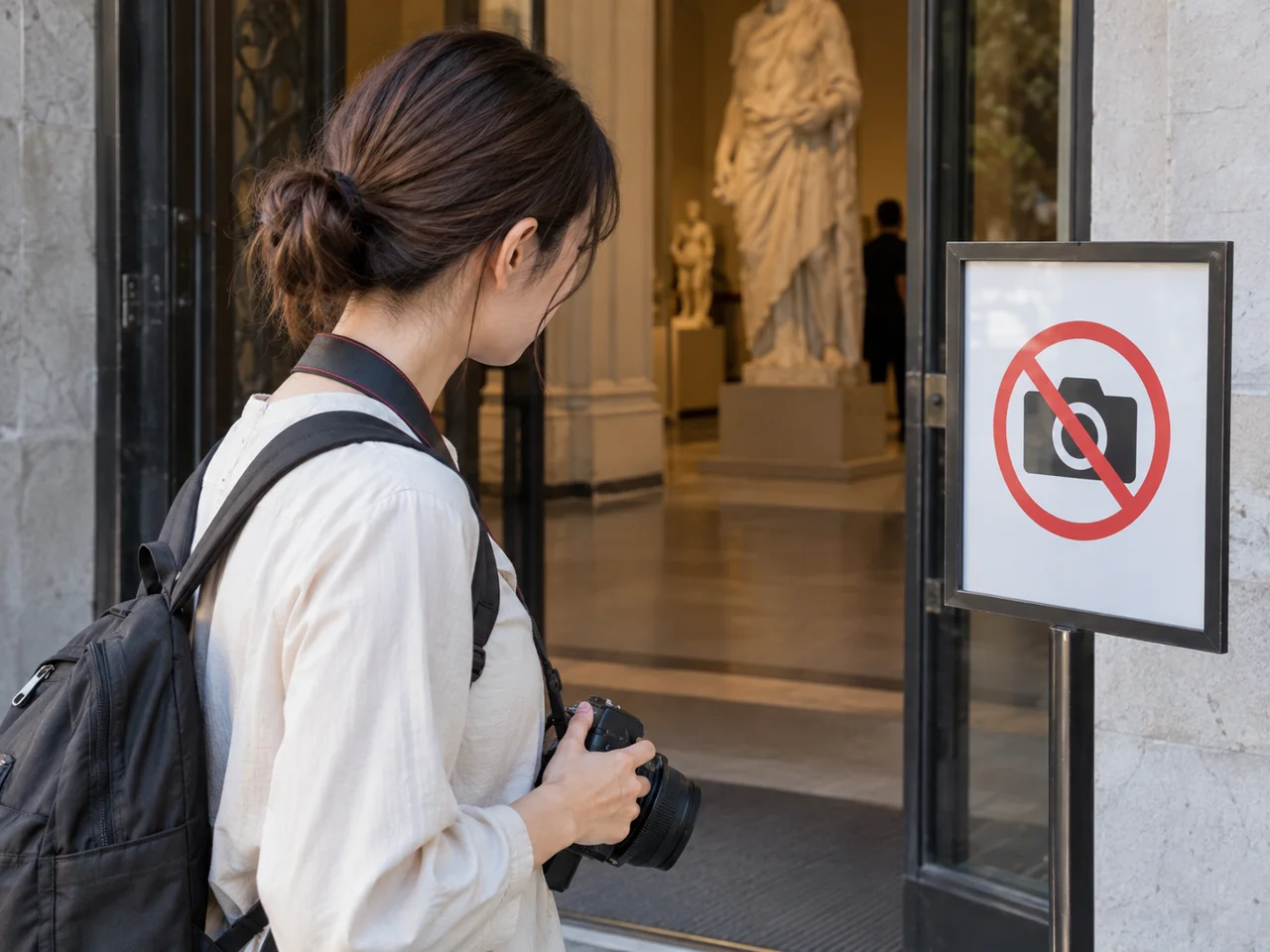
A traveller checking a photography notice

Waiting your turn, leaving a space tidy and noticing noise levels can help people share a place comfortably. The precise procedure can change between venues and situations.

Copying others may not explain every situation. Look for signs and ask staff when you cannot tell what applies.

Remember this!
  • Learn the reason and adapt to the situation.
  • Follow posted guidance and staff instructions.
Explore a little further

Use the individual guides for trains, restaurants, bathing and other situations. Next, explore useful services that can make shopping and getting around easier.

Official references checked 2 October 2026
✿ Summary ✿

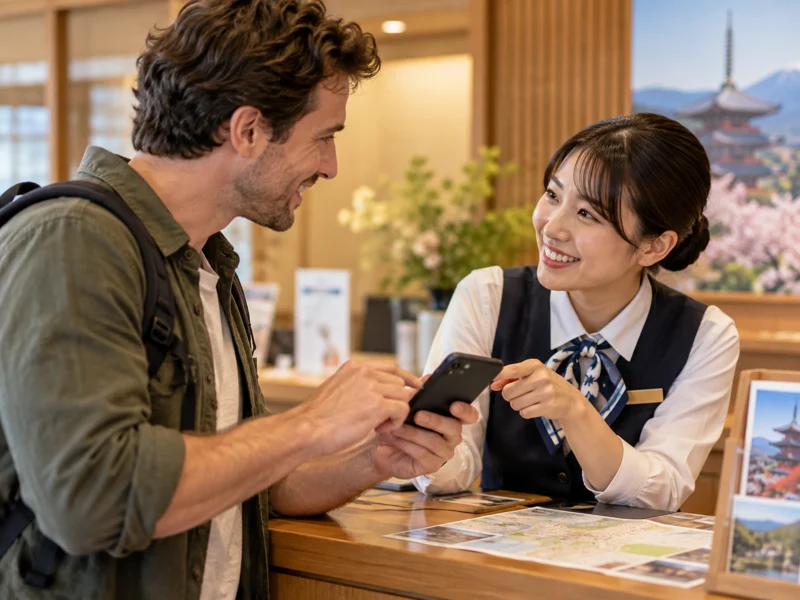
Regions, daily life, history and individual differences all offer ways to understand Japan. Use familiar images as a starting point while staying open to what a particular place or person can teach you.

Understanding Japan and its people — an illustrative scene