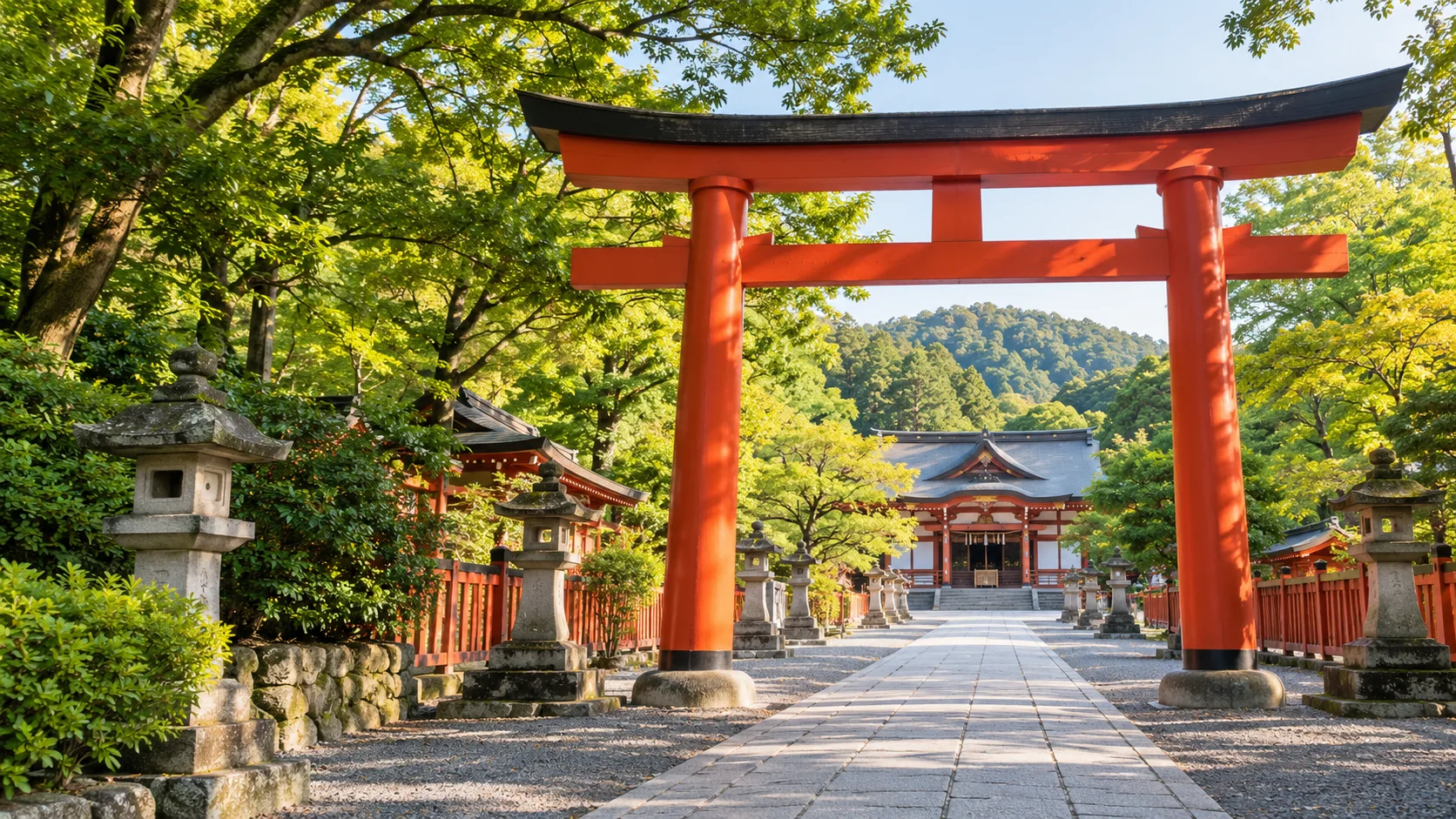





A shrine torii and a temple gate

Visit with care and curiosity

Shrine & temple manners

Shrines and temples are places of worship.
A few thoughtful habits help everyone enjoy their visit.

✿ What you will learn ✿

Learn how to enter, use the purification water,
pray at shrines and temples, take photos,
and request a goshuin respectfully.

✿ Key points ✿

A quiet approach

✿ Contents ✿

  1. 1. Entering the grounds 〉
  2. 2. Purification water 〉
  3. 3. Praying at a shrine 〉
  4. 4. Praying at a temple 〉
  5. 5. Photos & quiet spaces 〉
  6. 6. Goshuin & amulets 〉

✿ Frequently asked questions ✿

Q Do shrines and temples use the same prayer gestures? +

No. Shrines commonly use two bows, two claps, and one bow. At temples, join your palms without clapping. Exceptions exist, so local guidance comes first.

Q Can I visit if I follow a different religion? +

Stay quietly in areas open to visitors and respect others’ beliefs. You do not need to participate in rituals. Check local restrictions and access during ceremonies.

Q How much should I offer? +

There is no fixed amount for an ordinary prayer offering. Admission fees and special prayer fees are separate; check local signs.

1Entering the grounds
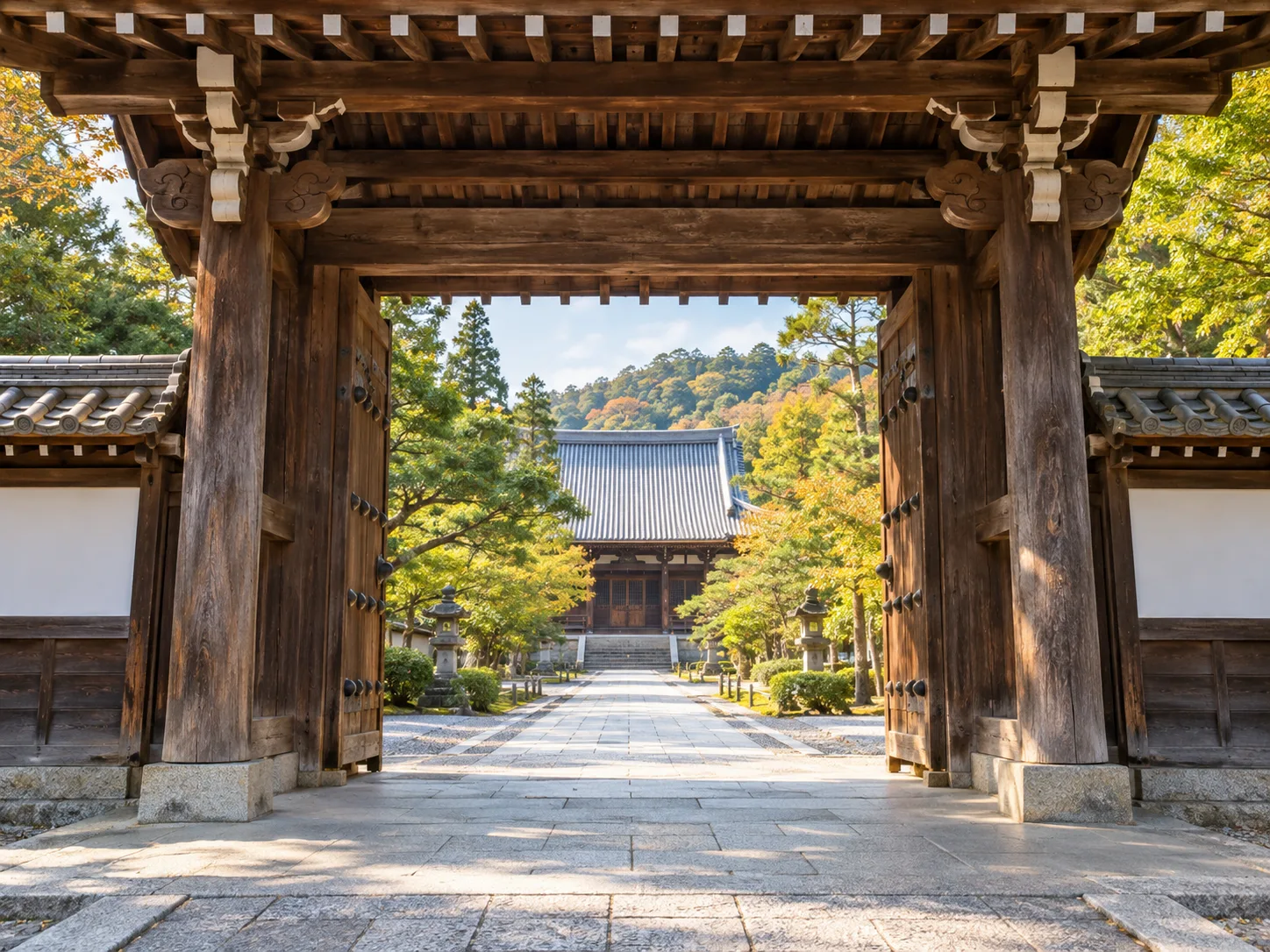
Entering the grounds

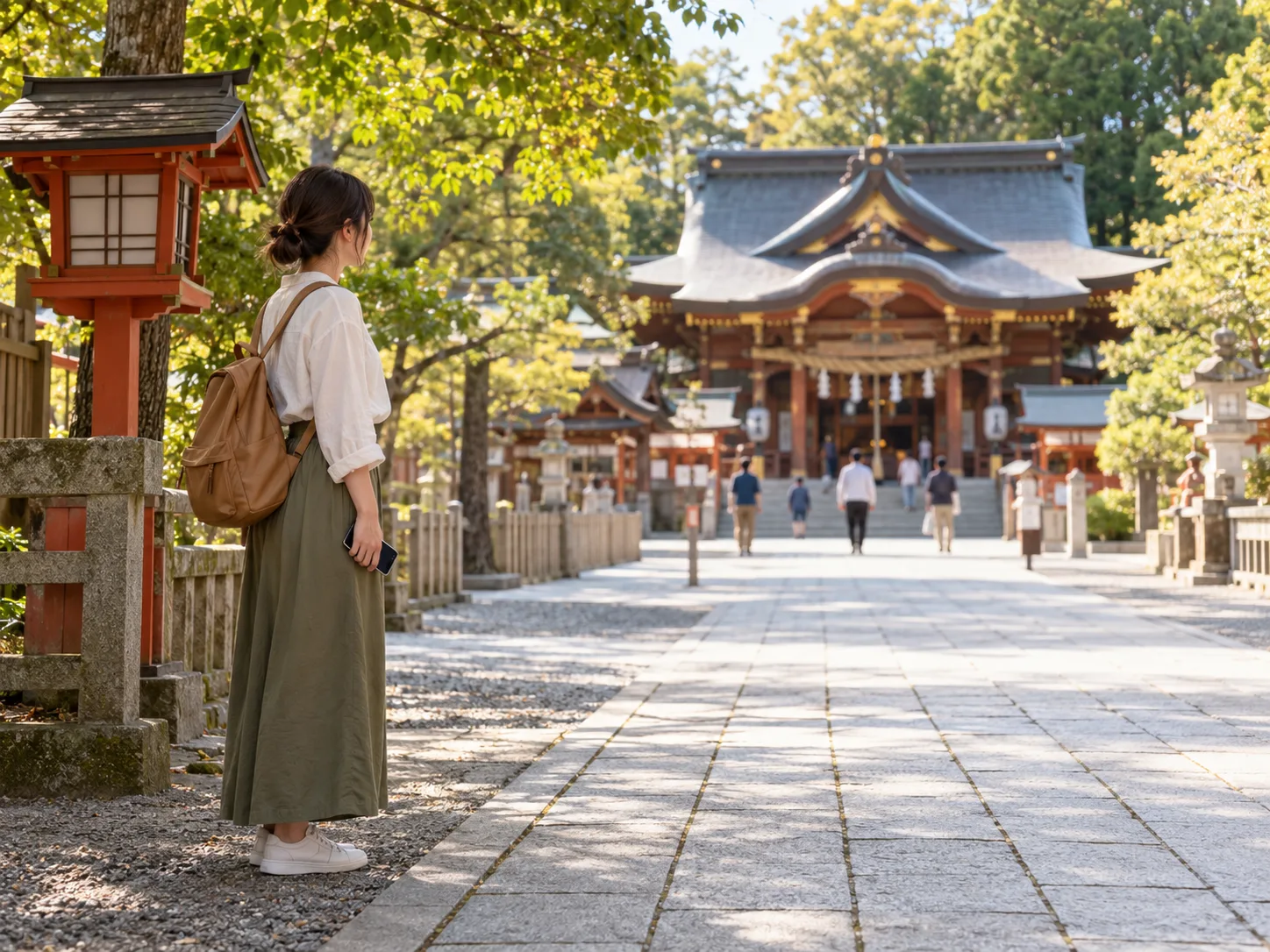
A small bow at a torii or temple gate is a customary way to show respect. At shrines, some visitors walk off-center because the middle is traditionally regarded as the kami’s path. This is a courtesy, not a strict walking rule; safe routes and local signs take priority.

Shrines and temples are places of prayer as well as destinations. You can visit quietly without performing a ritual. Keep entrances and paths clear, and do not worry if crossing the center is needed to follow the route.

Remember this!
  • Keep approaches clear for worshippers.
  • Respect restricted areas and remove shoes where required.
2Purification water

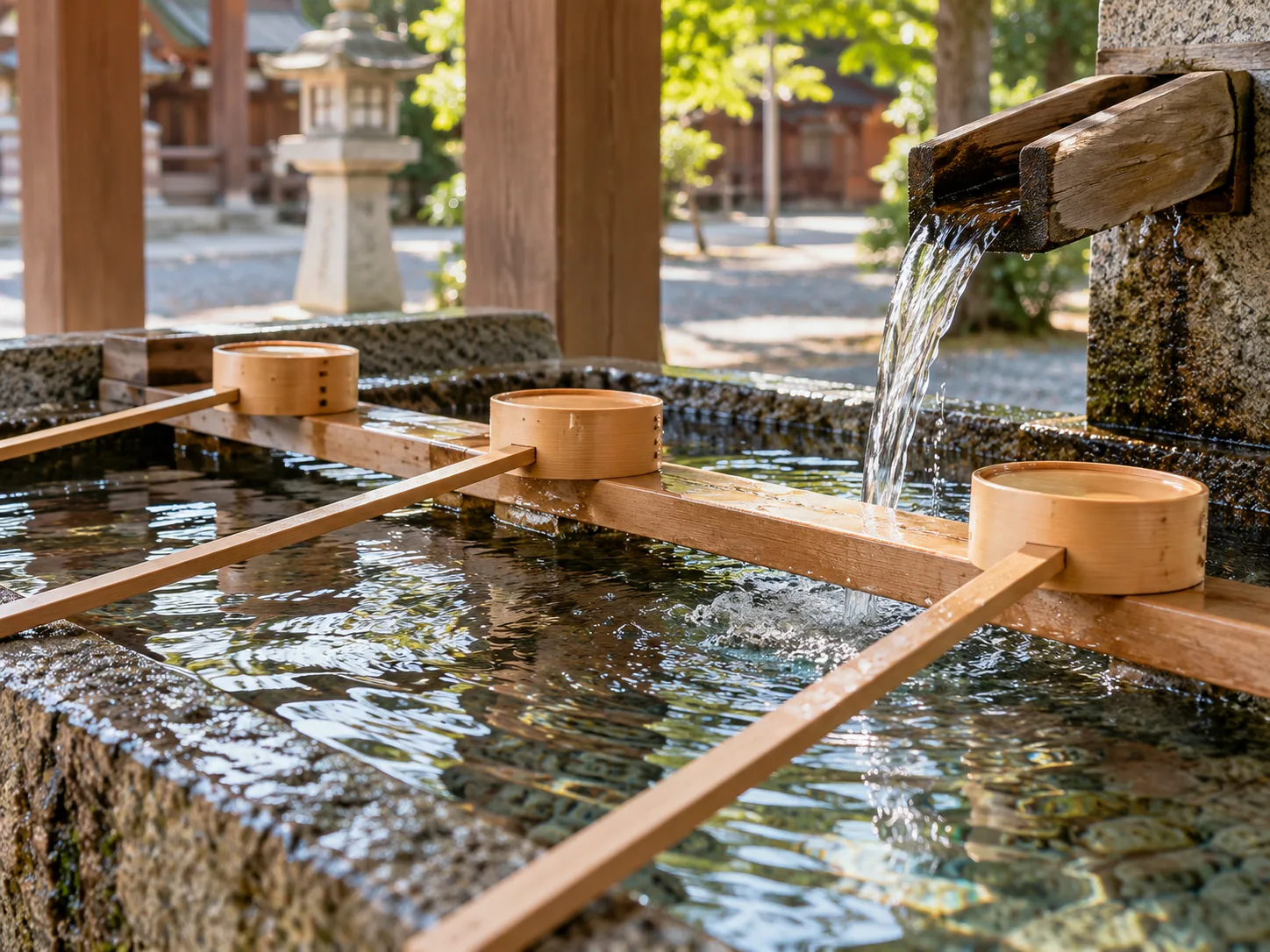
Purification water

Follow the instructions at the purification basin. With a ladle, rinse your left hand, then your right. If rinsing your mouth, use water poured into your left palm; do not put your lips on the ladle.

Purification is a ritual before worship, not a drinking fountain or a place to wash belongings. Keeping the water and utensils clean helps the next visitor. If the basin is closed, do not reach past a barrier; you can continue your visit.

Remember this!
  • Do not return used water to the basin.
  • Check running-water or closure notices and follow the local method.

3Praying at a shrine

Praying at a shrine

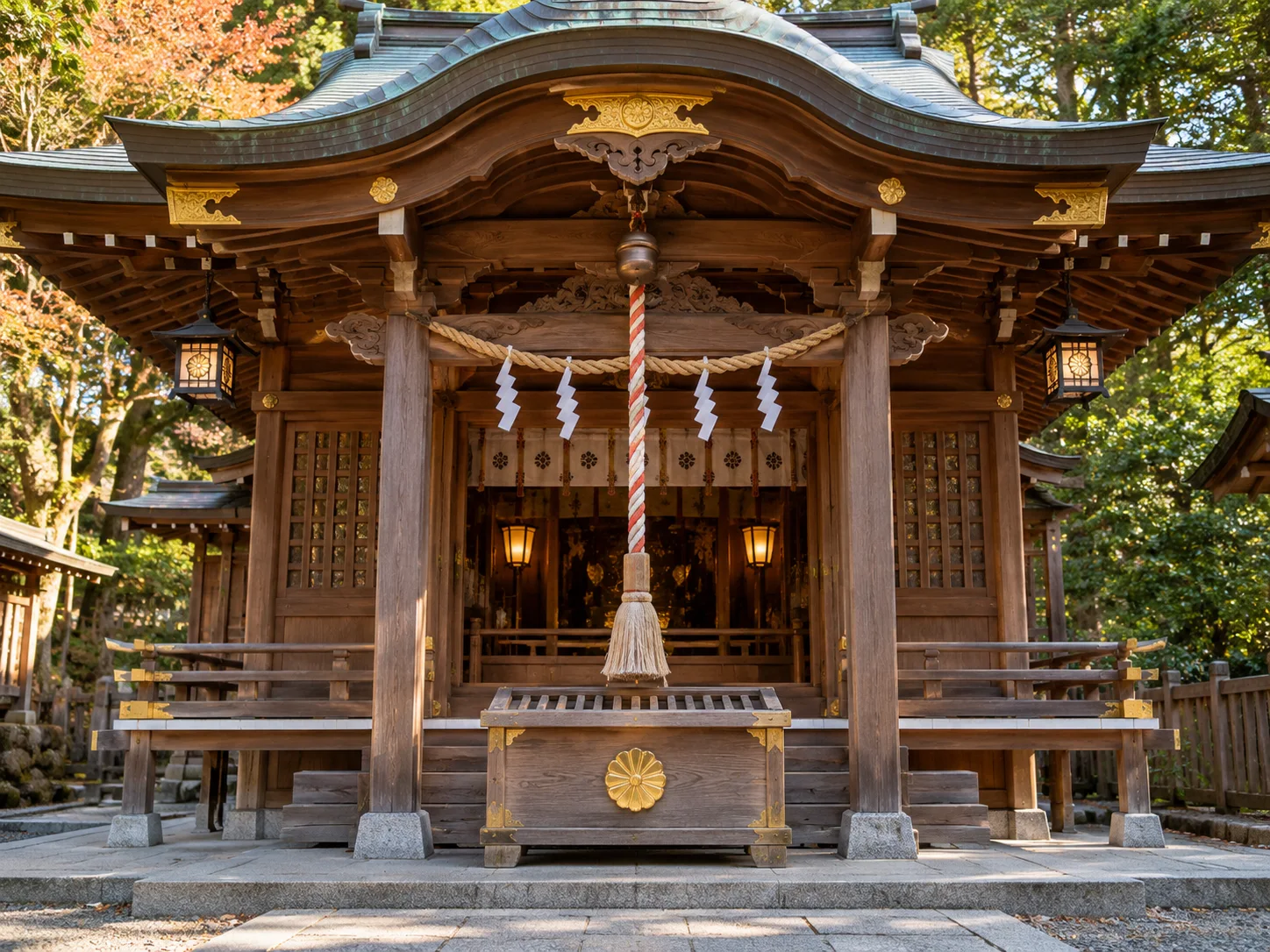
Place your offering gently in the box and follow local guidance about any bell. The usual sequence is two deep bows, two claps, a quiet prayer, and one final bow. Some shrines have different customs.

These gestures express respect and gratitude to the kami; the purpose is not perfect timing or movements. You may observe quietly instead of praying. If taking part, give people waiting room and follow the shrine’s own guidance.

Remember this!
  • Check posted instructions before praying at a shrine.
  • Prioritise local guidance over the usual two bows, two claps and one bow, and choose a comfortable offering.

4Praying at a temple

Praying at a temple

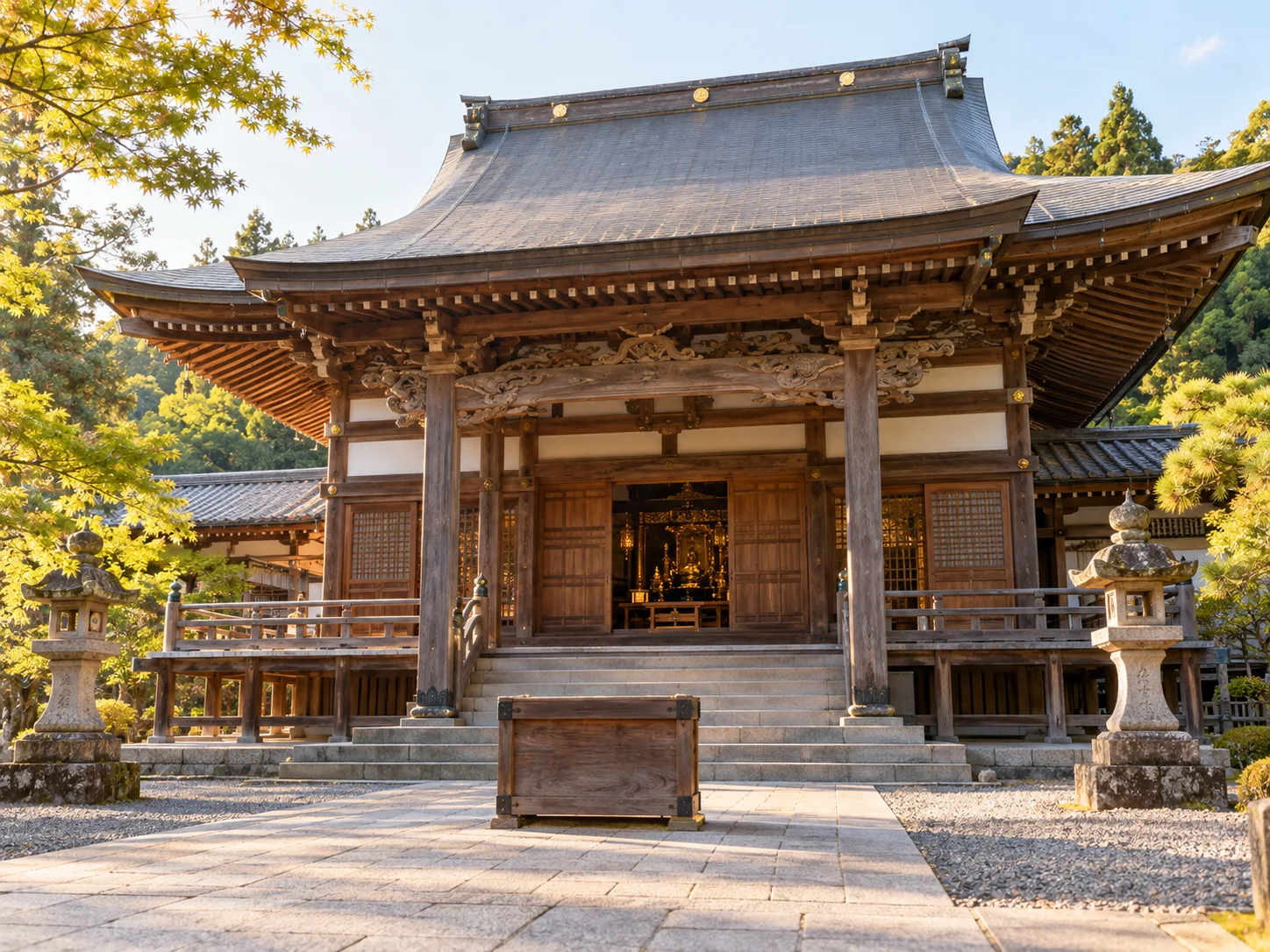
Place your offering gently in the box, bring your palms together in front of your chest, pray quietly, and bow. Do not clap as you would at a shrine. Chants and detailed sequences differ by temple and Buddhist tradition.

Quiet prayer helps others concentrate too. If you choose not to pray for religious or other reasons, you can stay quietly in areas open to visitors and respect others’ beliefs.

Remember this!
  • Join your palms without clapping at temples.
  • Check permitted places and instructions before using incense or candles.

5Photos & quiet spaces

Photos & quiet spaces

Check photography restrictions. Confirm permission before photographing interiors, Buddhist images, or ceremonies. Avoid close photographs of worshippers without consent and do not block approaches or prayer spaces for pictures.

Outdoor scenery and sacred interiors may have different photo rules. Where pictures are allowed, you can enjoy them without interrupting worship. Wait or change your angle to avoid close views of people praying; ask before making a person the subject.

Remember this!
  • Follow photo signs and ask about areas where permission is unclear.
  • Keep conversations considerate and move away from prayer areas for calls.

6Goshuin & amulets

Goshuin & amulets

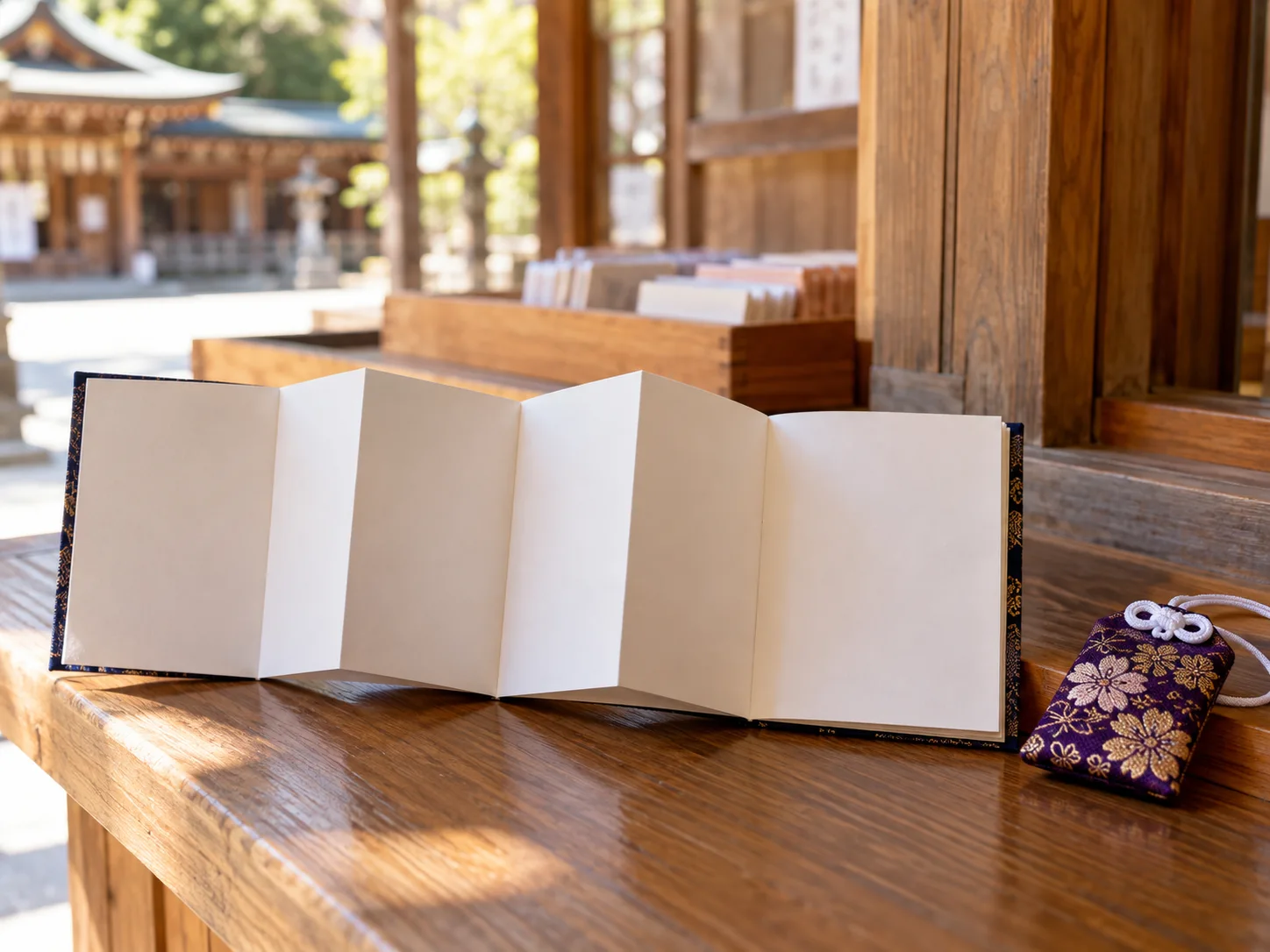
A goshuin is a record of worship. Pray first, then check the reception location, hours, and requested contribution. Some places offer prepared paper seals rather than writing directly in your goshuin book.

Staff may also be responsible for ceremonies and other duties. Following opening hours and waiting your turn helps them assist visitors. You can quietly explain what you would like even if you do not know the terms.

Remember this!
  • Follow reception instructions for goshuin and amulets.
  • Check current availability and hours in light of the day's ceremonies.

✿ Summary ✿

Respect the people who worship here, follow signs, and keep paths clear. Shrines commonly use two bows, two claps, and one bow; at temples, bring your palms together without clapping. Local customs come first. You can also appreciate the place quietly without taking part in a ritual.

Visiting shrines and temples