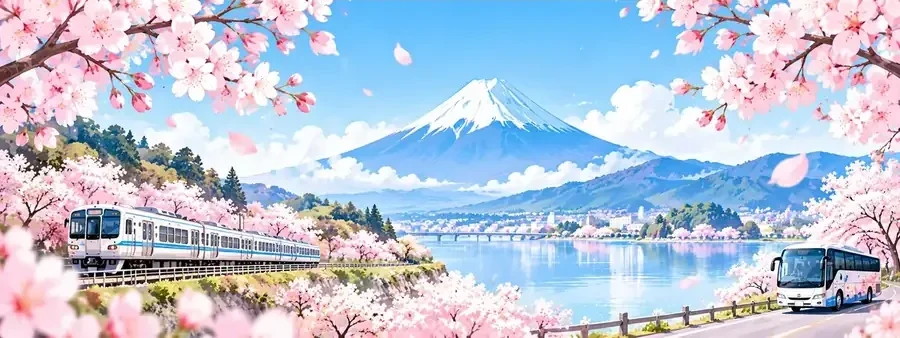



A train in cherry-blossom season

Enjoy travelling in Japan

Train & bus manners

Know how to ride,
and what suits the setting.
Small steps for a comfortable trip.

✿ What you will learn ✿

From fares to sharing the carriage,
learn which requests come from operators
and which are considerate habits.
Commuter trains, long-distance trains and buses differ.

✿ Key points ✿

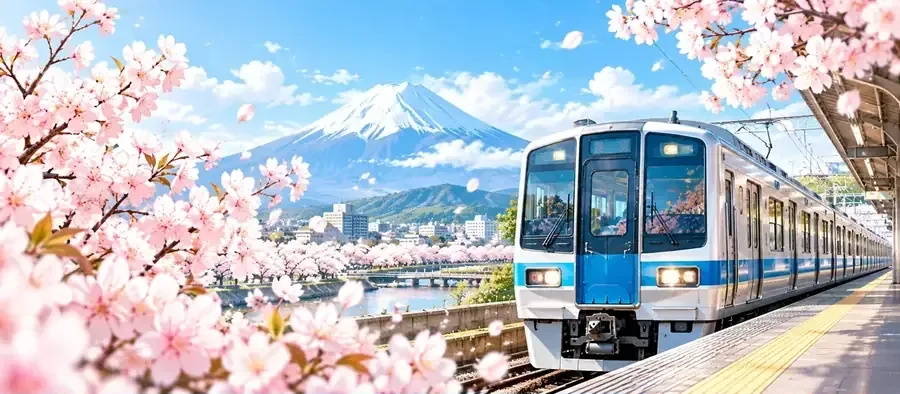
A train at a station

✿ Contents ✿

  1. 1. Boarding & fares 〉
  2. 2. Onboard manners 〉
  3. 3. Priority seats 〉
  4. 4. Carrying luggage 〉
  5. 5. Food & drink 〉
  6. 6. Transfers & buses 〉

✿ Frequently asked questions ✿

Q Where can I get a transport IC card? +

Sales locations, machines and ticket offices vary by card. Some cards can also be used on compatible phones. Do not assume every station or convenience store sells new cards; check the issuer’s current guidance. Read the tickets and IC cards guide · Set up your Suica step by step

Q Can I bring a large suitcase? +

It depends on its dimensions, number, weight and the service. Some Shinkansen lines require advance reservations for oversized luggage. Check the operator’s conditions and storage arrangements; consider luggage storage or forwarding if needed.

Q Can I bring food and drinks? +

Carrying ordinary food and drinks is different from eating onboard. There is no blanket ban, but specific onboard notices take priority. Save meals for before or after a crowded ride and avoid spills when drinking water. Eating at your seat can be normal on services such as the Shinkansen.

1Boarding & fares

Tickets and IC cards

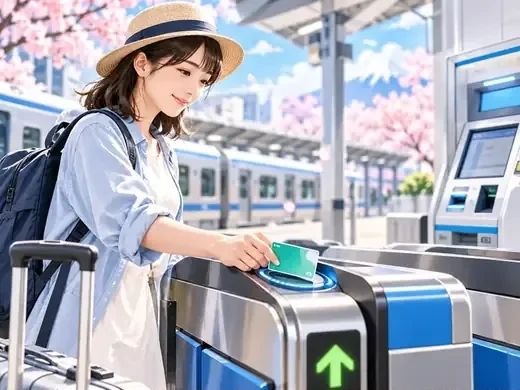
In supported areas, you can tap a transport IC card such as Suica or PASMO at the gates. Not every route accepts them, and Shinkansen or limited-express services may need an additional ticket or reservation. Check that your starting point and destination are covered.

Some passengers use paper tickets instead of IC cards; either is fine. If a gate does not open, avoid forcing your way through. Step aside and ask staff so other people can pass.

Remember this!
  • Check your route and the IC card’s coverage.
  • For a short visit, check the ticket you need and your card balance.
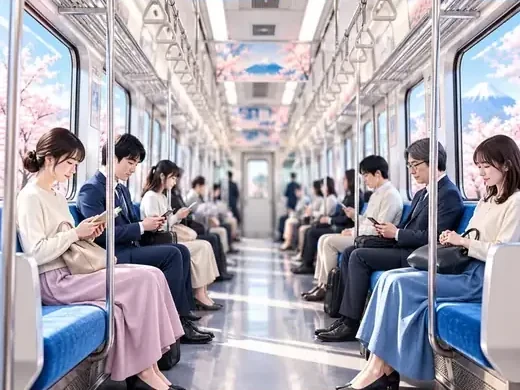
2Onboard manners

Sharing the carriage

You do not need to stop talking altogether. Keep conversations quiet for the setting, silence your phone, and use headphones for videos or music. Many operators ask passengers to avoid phone calls, so follow the onboard notices.

Other passengers may be resting or listening for announcements. Make calls after leaving, or use a designated calling area on a long-distance train if one is indicated. Some sounds, including children’s voices, cannot always be avoided; perfect silence is not the goal.

Remember this!
  • Keep conversations low and use headphones for media.
  • Check onboard requests for calls and phone use near priority seats.

3Priority seats

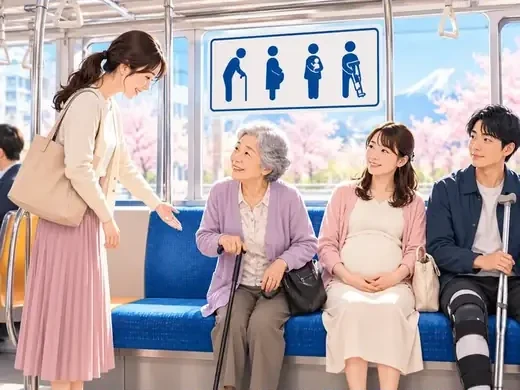
Priority seats

Priority seats help older passengers, pregnant people, people with injuries or disabilities, and people with young children sit when they need to. Use a seat if you need it. Someone’s need to sit is not always visible.

If you can offer a seat, a brief “Dōzo” (“Please”) is enough. It is fine if the person declines. You can offer any seat, but do not feel you must stand when doing so would be difficult for you.

Remember this!
  • Do not judge who needs a seat by appearance.
  • Offer when you can, respecting the answer and your own needs.

4Carrying luggage

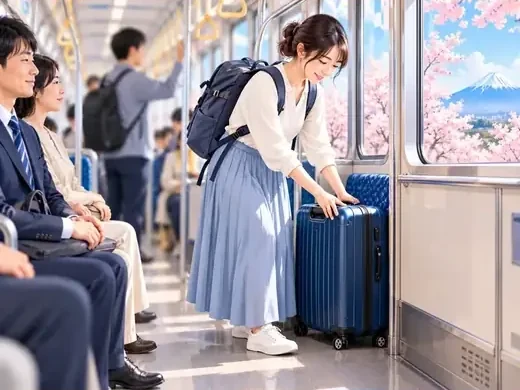
Suitcases

In a crowd, hold a backpack in front, low by your side, or use a suitable rack so it does not bump others. Keep a suitcase from rolling and leave doors, aisles and wheelchair spaces clear.

Storage depends on the train and the bag. On the Tokaido, Sanyo, Kyushu and Nishi Kyushu Shinkansen, oversized luggage with combined dimensions over 160 cm and up to 250 cm generally requires a suitable seat reservation in advance. Check official conditions before boarding.

Remember this!
  • Keep luggage out of aisles and doorways.
  • Check size and reservation rules, or consider storage and forwarding.

5Food & drink

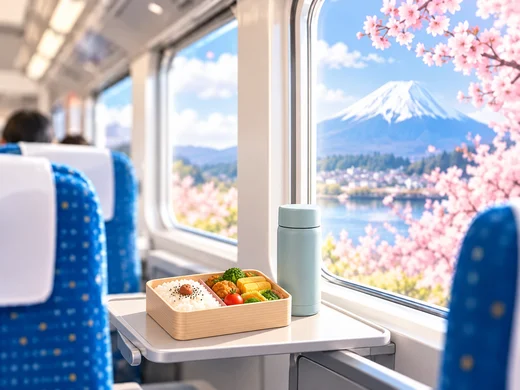
A bento and a closed bottle on a long-distance train tray

There is no single nationwide ban on eating and drinking onboard. Tokyo Metro, for example, does not impose a general restriction but asks passengers to consider others. On crowded commuter trains and local buses, having meals before or after the ride helps avoid spills and smells.

You do not need to go without water. Where no restriction is posted, take care with a resealable drink. On long-distance trains such as the Shinkansen, people may eat a bento at their seat. Follow your bus or train’s own guidance, and take rubbish with you or use designated bins.

Remember this!
  • Check notices and crowding, and avoid spills and strong smells.
  • Treat commuter and long-distance services differently; stay hydrated.

6Transfers & buses

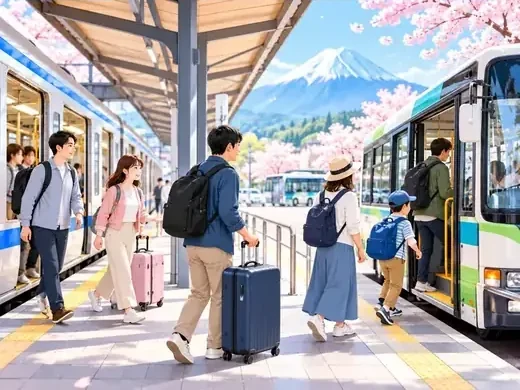
Local buses

Wait beside the doors so people can get off first. Bus boarding doors and payment methods vary: some use front-door boarding and payment on entry, others rear-door boarding and payment on exit. Check the entrance signs, take a numbered ticket if required, and tap your IC card where directed.

People who live in Japan can be unsure on an unfamiliar route too. Show your destination and ask while the bus is stopped. After pressing the stop button, wait until the bus stops completely before moving to get off.

Remember this!
  • Check the boarding door and when to pay before boarding.
  • Hold a rail while moving and wait until the bus stops to get off.

✿ Summary ✿

You can talk quietly, stay hydrated and use a seat you need while considering others. Your own comfort and circumstances matter too. Food and luggage conditions differ by operator and service, so follow the signs and official guidance. If something is unclear, show staff your destination or ticket and ask for help.

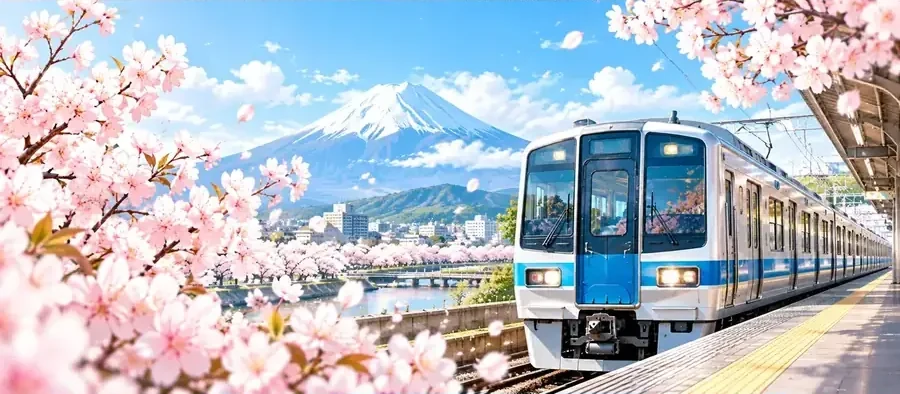
Mount Fuji, cherry blossoms and a train