
Learn → feel prepared → experience
Your first matcha and tea ceremony
Start here
Learn the difference between drinking matcha and joining a tea gathering, then choose a suitable experience with practical advice on seating, utensils, sweets and participation.
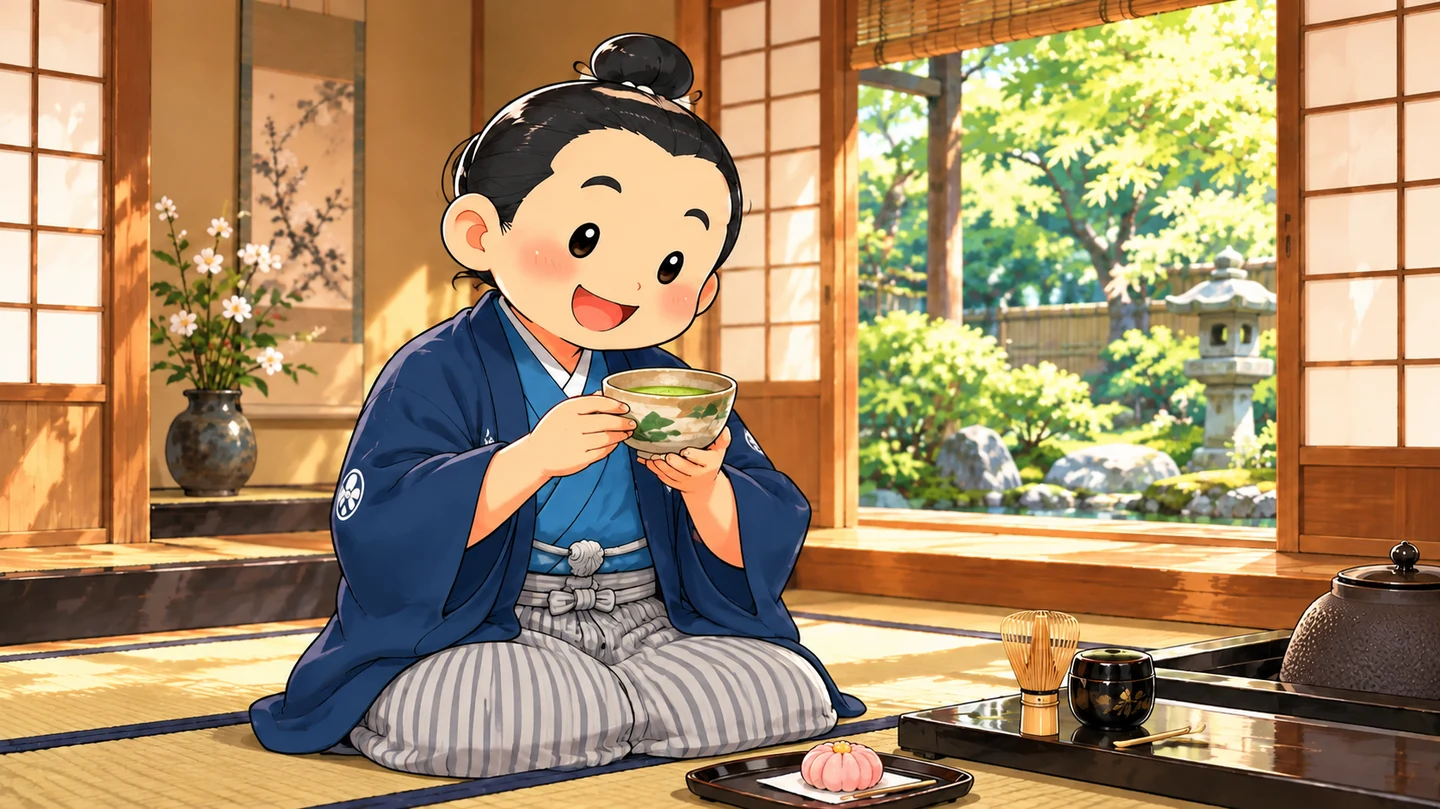
The samurai illustrations are fictional scenes introducing the experience. Any real photographs are credited separately. Neither guarantees the venue or current services offered by the linked provider.
Matcha is the tea; a tea gathering is a shared practice
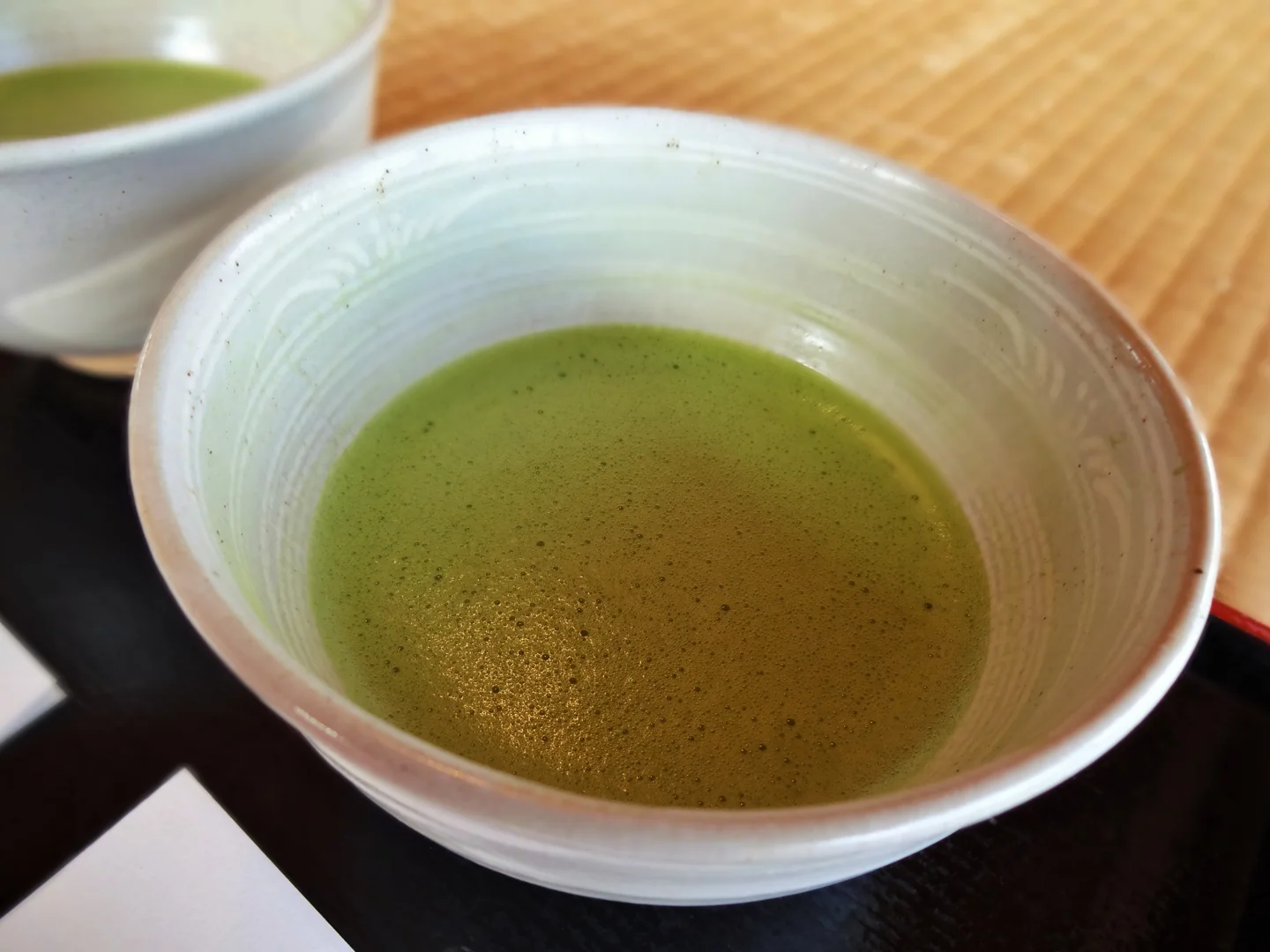
Matcha is finely powdered tea, enjoyed in forms including thin tea, thick tea and lattes. Chado, also called chanoyu, brings preparing and serving tea together with hospitality, utensils and considered movements. An activity labeled a matcha experience might be a tasting, a whisking workshop or a host-led tea gathering. These can all be worthwhile, but they answer different curiosities.
Notice one detail before trying to learn every rule
Tea culture connects ceramics, flowers, calligraphy, sweets and the setting in which people meet. Pick one detail to follow: a bowl's shape, a sweet's color or something displayed in the room. Asking how it relates to the season gives the host a starting point for explanation. You can appreciate the thought behind a gathering without already knowing the names of its objects.
Choose seating that lets you pay attention comfortably

Tea can be practiced in a tatami room or in a chair-and-table format called ryurei. Urasenke's beginner-class information includes venues with chair seating, but that does not mean every tea experience can provide it. If kneeling, getting up from the floor or removing shoes would be difficult, describe what you need before booking rather than waiting until the gathering begins.
Let the host guide the sweet and the bowl
Learning how to receive sweets and tea is part of a beginner session. When a sweet is served before tea, notice how the flavors feel in sequence. If shown the front of the bowl and how to turn it, copy the demonstration slowly. Details vary between schools and occasions, so there is little value in rushing to reproduce a movement you remember from an unrelated video.
Discuss limits before committing to a session
Tell the organizer if you want to observe rather than whisk or drink, or if an ingredient makes the sweets unsuitable. Matcha contains caffeine, and sweets have different ingredients. Whether a host can offer an alternative, adjust the serving or accept an observer depends on the activity. Drinking everything is not a useful measure of cultural participation.
What if…?
If you lose track of the sequence while holding a bowl, keep it supported and ask what comes next. Do not rush to turn it or change your grip. If sitting becomes uncomfortable, tell the host rather than treating endurance as part of the experience.
Hajimete nanode, oshiete itadakemasu ka? — It is my first time. Could you guide me?
Put your understanding into practice
Choose a tea experience by its format and seating
The Okura Tokyo officially describes a tea-and-sweets experience in Chosho-an. It is one option in Tokyo: check the seating, teaching language and participation requirements directly. For Kyoto, continue to our linked tea-and-kimono guide below.
See The Okura Tokyo’s official tea experience ↗This links to official external guidance. Check availability, language, participation requirements, prices and cancellation terms with the provider before committing.
Frequently asked questions
Will it be rude if I get a movement wrong?+
Choose an explicitly beginner-friendly session and tell the host it is your first time. Asking what to do next is more useful than rushing. Follow that host's guidance, since small details vary.
Must I wear kimono and kneel throughout?+
Not necessarily. Some classes accept everyday clothing and some use chairs, but requirements vary. Check clothing, socks, seating and access before booking rather than assuming an adjustment can be made on arrival.
Can I enjoy the experience if I dislike bitter tea?+
Explain your preference and choose a tasting or cultural explanation accordingly. Ask whether smaller servings or observation without drinking are possible. Utensils, sweets and hospitality can also be rewarding things to learn about.
Official sources
- Ippodo Tea: Types of Tea
- Urasenke: About Urasenke Chado
- Urasenke: About Urasenke Overseas
- Urasenke: Beginner class FAQ (Japanese)
- Urasenke: School tea-practice leaflet (Japanese PDF)
- Ippodo Tea: Does Ippodo sell low caffeine, decaf, or caffeine-free tea?
- Urasenke: Learning tea (Japanese)
- The Okura Tokyo: Chosho-an tea experience