Learn → feel prepared → experience
Your first kendo visit or experience
Start here
Discover what to watch in kendo and how to arrange a respectful dojo visit or supervised beginner experience, with practical guidance on permission, equipment and participation.
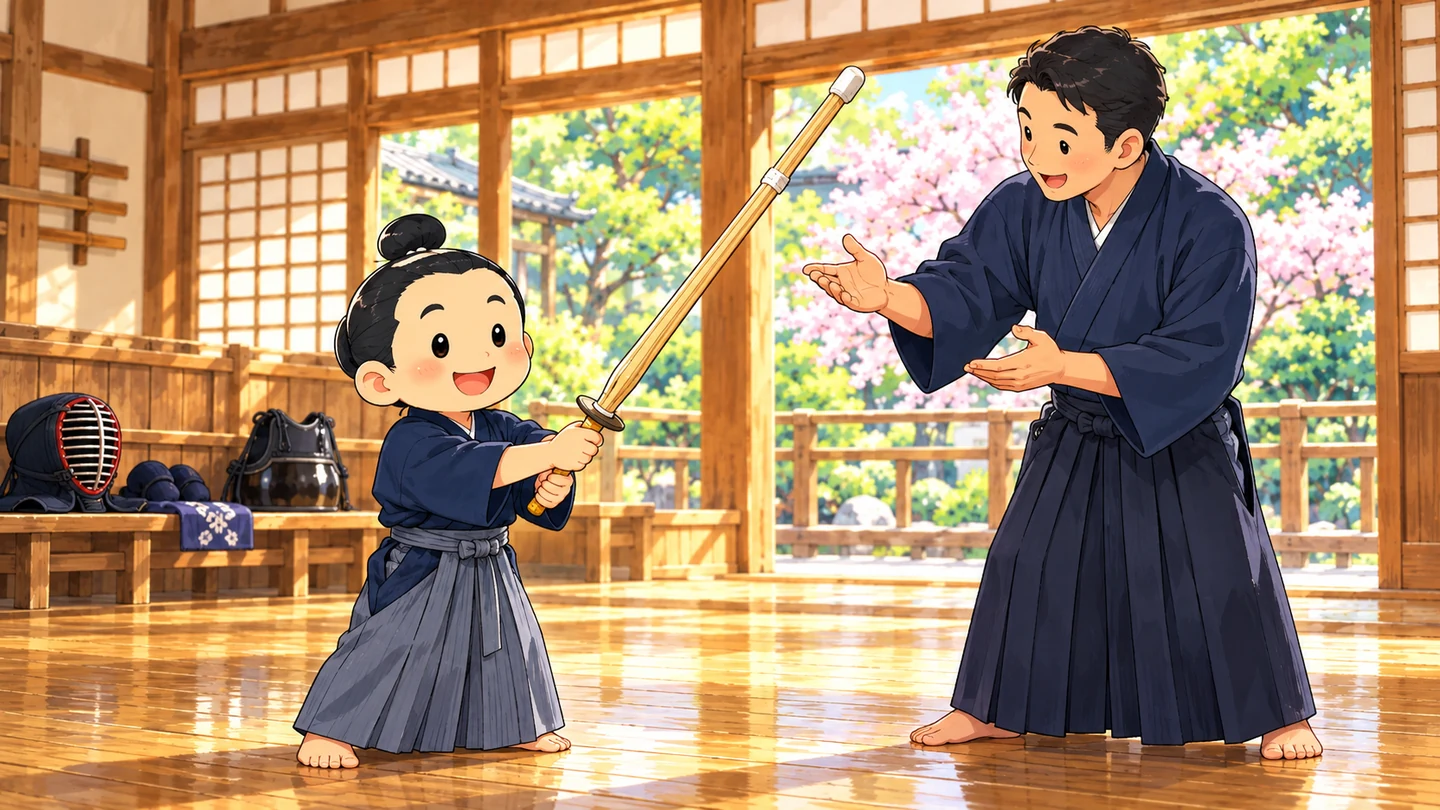
The samurai illustrations are fictional scenes introducing the experience. Any real photographs are credited separately. Neither guarantees the venue or current services offered by the linked provider.
Look for what partners learn from each other
The All Japan Kendo Federation describes kendo as a discipline for developing character through the principles of the sword. Respect for partners and attention to safety are central to its teaching. Watching only whether a strike lands misses some of that context. The preparation, the relationship between opponents and the composure after an action offer another way into what you are seeing.
Separate observation from a beginner lesson or regular practice
An observation visit lets you follow the atmosphere and rhythm of training. A beginner experience lets you try selected movements with an instructor. Regular practice for experienced members is a different setting and should not be assumed to include introductory teaching. Similarly, activities described as samurai experiences can involve disciplines other than kendo, so read what participants actually do and which equipment they use.
Arrange permission before entering a dojo
Treat a dojo as a place where people are training. Contact the organizer with your date, group size, experience level, preferred language and whether you want to observe or participate. An unanswered message is not permission to attend. Schools and community groups may not accept casual visitors, and an open door is not an invitation to walk onto the practice floor.
Let the instructor check both equipment and activity
Kendo uses bamboo swords and protective equipment, but wearing protection does not make every movement safe. Check clothing, rental arrangements, sizes and required items before the visit. During a lesson, have the instructor check fit and equipment, and perform only the activities they explain. Copying a video and striking a friend is not an appropriate way to prepare.
Give yourself a small, clear learning goal
Vocal calls, footwork and contact between equipment make this a different sensory experience from a quiet demonstration. If sound is a concern, discuss the setting and observation options beforehand. When participating, useful first goals include responding to a stop signal, keeping the instructed distance and learning a greeting. These give you something concrete to focus on while taking in new instructions.
What if…?
If you stop understanding a signal during a lesson, do not begin the next movement by guessing. Tell the instructor and clarify it. Speak up about slipping equipment or needing a break instead of trying to match everyone else's pace.
Kendo wa hajimete desu. Kengaku dake demo yoroshii desu ka? — I am new to kendo. May I just observe?
Put your understanding into practice
Next step: Check a supervised beginner experience
SAMURAI TRIP's official site describes instructor-led kendo experiences with rental armor and equipment. Use the program details to check the location, teaching language, participant requirements and planned activities before deciding whether it suits you.
View the official SAMURAI TRIP experience ↗This links to official external guidance. Check availability, language, participation requirements, prices and cancellation terms with the provider before committing.
Frequently asked questions
Can I join without an athletic background?+
Beginner sessions still differ in intensity and requirements. Ask about the movements involved, breaks and switching to observation. Describe relevant participation needs before booking; adjustments are not guaranteed.
Do I need to buy a bamboo sword and armor?+
Ask the organizer first. Some experiences include rental equipment, while an ordinary dojo may have different arrangements. Confirm sizing, clothing and required items instead of buying a full set for a first visit.
Can I take part without speaking Japanese?+
Language support varies. Understanding stop signals and safety instructions is important in a practical lesson. Confirm the teaching language before booking, and ask about any signal you do not understand.