
Learn → feel prepared → experience
Your first yakiniku restaurant

Start here
Get comfortable with Japanese tabletop barbecue, from portions and seasonings to separate utensils, thorough cooking, smoke and dietary questions.
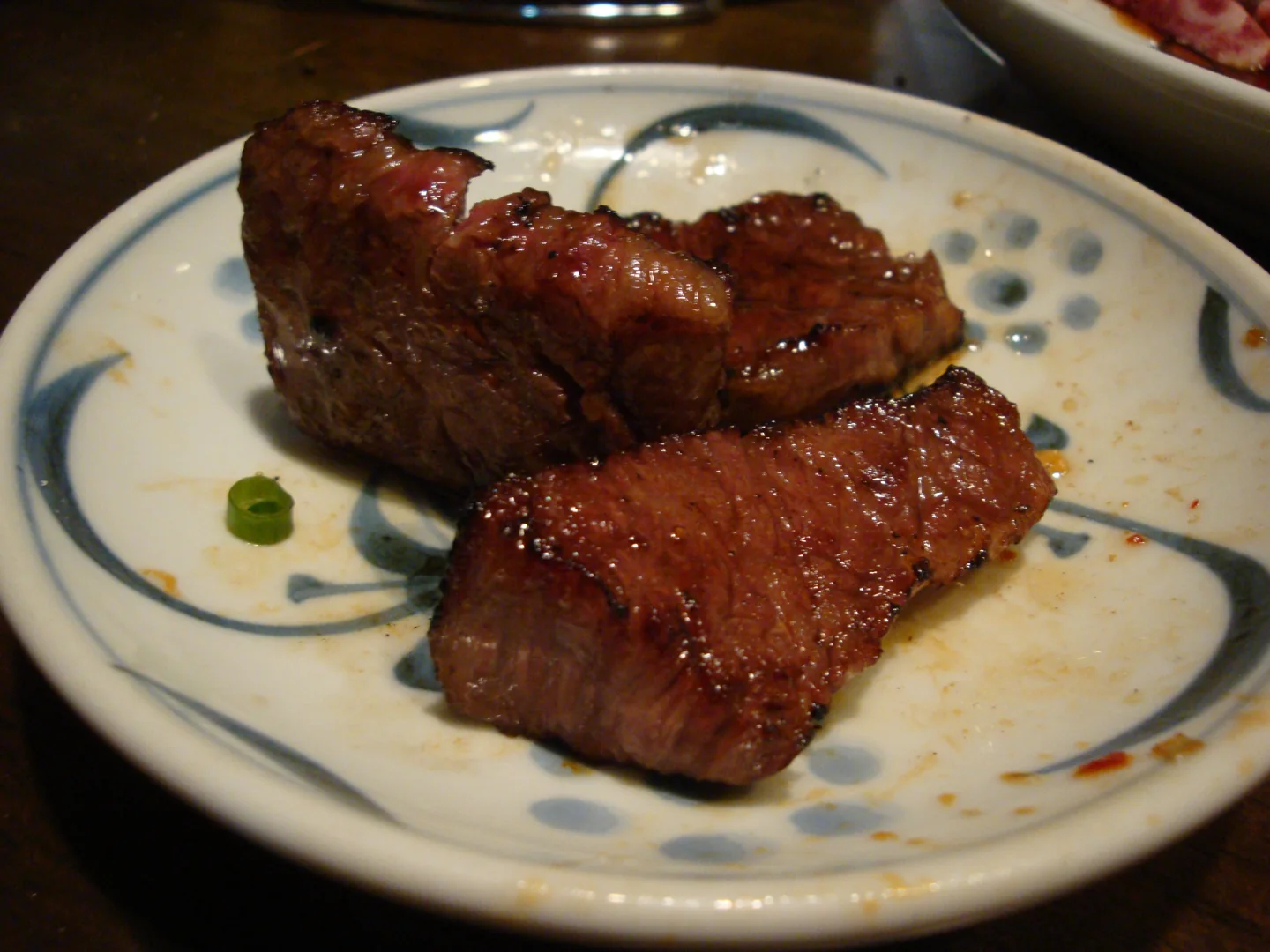
These real photographs introduce the culture and its objects. They do not depict or promise the venue or current service offered by the linked experience.
The time at the grill is part of the meal
Yakiniku in Japan has connections with Korean food culture, and dishes such as kimchi may accompany the meat. In a tabletop-grilling format, deciding what to cook and share becomes part of the conversation. Not every restaurant is self-service, though: some have staff cook the meat or organize the meal around a set course.
Understand portions and the ordering system
Individual plates, assortments, set meals and all-you-can-eat courses involve different decisions. A portion labeled for one person may not be a complete meal, so ask about the amount and whether rice or vegetables are included. An assortment can be a useful starting point when its contents suit your group. Salt and sauce are flavor choices, but those names alone do not tell you every ingredient.
Use the first plate to learn this restaurant's grill
Thickness, seasoning and the particular grill affect how an item cooks. Ask the staff where to place the first pieces, when to turn them and how to tell when that dish is ready. Starting with an amount you can watch makes it easier to remember what went on the grill when. Avoid leaving cooking food unattended while taking photos or concentrating on something else.
Keep raw-meat tools separate from eating tools
Japan's agriculture ministry advises using different utensils for raw meat and for serving or eating cooked food. Avoid moving cooked pieces onto your plate with the raw-meat tongs, or returning cooked food to a raw-meat plate. If the tools' roles are unclear, ask before starting rather than guessing from where they were left on the table.
Cook pork and chicken thoroughly through the center
Japan's health ministry advises thorough cooking of pork and chicken. Fresh appearance or browning on the outside should not be the sole basis for deciding a piece is ready. Thick and thin cuts need different handling, and preparation methods also matter. Beef is not a blanket exception: it should not be assumed that every beef item is suitable for only a quick surface sear.
Ask about smoke, ingredients and shared surfaces
If smoke or smell affects your choice, discuss seating and extraction before visiting, and ask where to keep coats and bags. For allergies or dietary restrictions, consider sauces, marinades and side dishes as well as the meat. Shared grills and utensils also matter. The presence of a vegetable dish does not establish that its ingredients or cooking arrangement meet your needs.
What if…?
If you lose track of which pieces are cooked, pause before eating and ask the staff. If raw-meat and eating utensils have been mixed up, request clean ones. Asking during the first plate is more useful than trying to guess throughout the meal.
Kono niku no yakikata o oshiete itadakemasu ka? — Could you show me how to cook this meat?
Put your understanding into practice
Next step: Preview the table-ordering process
Yakiniku King's official first-time guide explains arrival, table ordering, receiving dishes and paying. It is one example of an all-you-can-eat restaurant format. Check the actual branch's menu and conditions before using it to plan a visit.
Read Yakiniku King's official first-time guide ↗This links to official external guidance. Check availability, language, participation requirements, prices and cancellation terms with the provider before committing.
Frequently asked questions
What if I have never grilled meat at a table?+
Say so before ordering and ask for a demonstration with the first plate. The help available varies. If self-grilling is a concern, check whether staff-cooked service is offered before choosing the restaurant.
Do I have to be confident with chopsticks?+
Ask whether a fork or another eating utensil is available. Whatever you eat with, keep it separate from raw-meat tongs. You can confirm cutlery arrangements before visiting.
Can someone who eats little or no meat come along?+
Check side dishes and ordering requirements first. Stocks, sauces and a shared meat grill may still be relevant. Do not infer vegetarian suitability or allergy accommodations from dish names; ask the restaurant about the specific requirements.
Official sources
- Japan National Tourism Organization: Yakiniku
- Yakiniku King: First-time User Guide
- Yakiniku King: FAQ and inquiries (Japanese)
- Yakiniku King: Grilling guide (Japanese)
- Japan’s agriculture ministry: Meat cooking safety (Japanese)
- Japan’s health ministry: Cook meat thoroughly (Japanese)
- Gyu-Kaku: Ingredient origins and allergens (Japanese)
- Gyu-Kaku Buffet: Allergen information (Japanese PDF)